
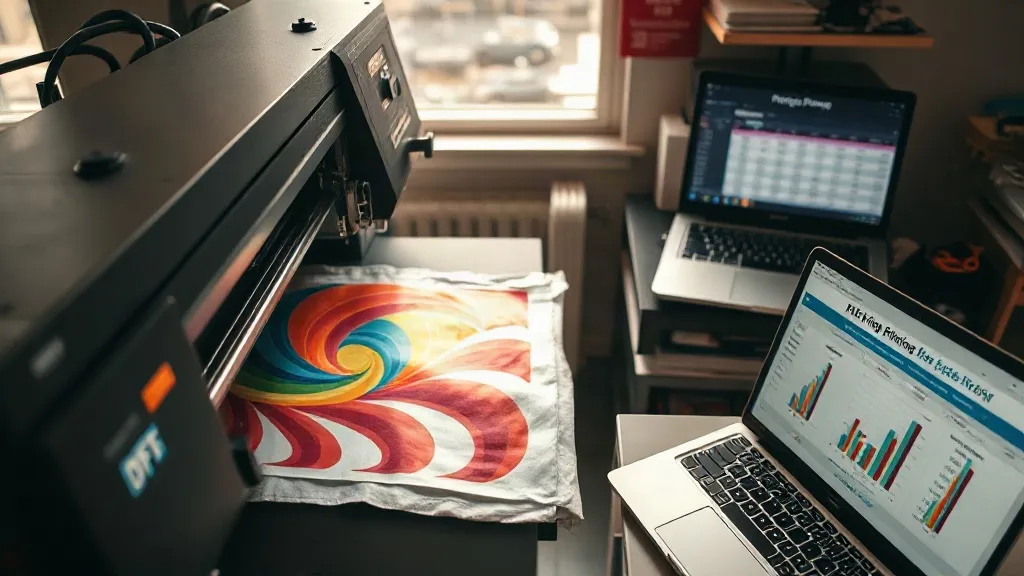
You've mastered the press, the powder, and the peel. Your dtf transfers look crisp, and customers are starting to notice. But when the invoice goes out, something feels off. The job was busy, the shirts looked great, yet the bank account barely moved. If that sounds familiar, you're not alone. Many print shops focus so hard on perfecting the print that they overlook the numbers behind it. Pricing isn't just a detail; it's the difference between a hobby and a business. This guide dives into the financial side of dtf printing: how to set prices that actually cover your costs, where hidden expenses sneak in, and how to turn small runs into steady profit. Whether you're running a home studio or a growing shop, these practical strategies will help you stop leaving money on the table.
Why DTF Pricing Is Trickier Than It Looks
At first glance, pricing a DTF transfer seems simple: add up the film, ink, and powder, then tack on a margin. But that approach ignores the real cost drivers. Unlike screen printing, where setup costs dominate, DTF is a digital process with variable costs that scale with every print. That means your per-unit cost changes with order size, film layout, and even the weather (humidity affects powder adhesion). Add in labor for weeding, pressing, and packing, and the true cost can easily double your material estimate. The result? Shops that price based on materials alone often find themselves busy but broke.
The True Cost Breakdown: What Goes Into a DTF Transfer
Before you can set a profitable price, you need to know exactly what each transfer costs you. Here are the components to account for:
- Film: Both the PET film and the adhesive powder. Film cost varies by sheet size and quality; don't assume the cheapest option is best, as poor film can cause adhesion issues and reprints.
- Ink: DTF inks are not cheap, and color coverage matters. A full-color photo print uses significantly more ink than a simple logo.
- Powder: The adhesive powder is a consumable that many forget to factor in. It has a shelf life and requires proper storage.
- Labor: Printing, powdering, curing, and pressing all take time. Even if you're a one-person shop, your time has value. Calculate an hourly rate and apply it.
- Equipment depreciation: Your printer, shaker, and heat press wear out. Set aside a small amount per print to cover eventual replacements.
- Overhead: Rent, electricity, software subscriptions, and marketing all add up. Allocate a percentage of each sale to cover these fixed costs.
To get a realistic per-transfer cost, track your material usage over a week. You might be surprised at how much film you waste on test prints and mistakes. Once you have a solid number, you can price with confidence.
Pricing Models That Work for DTF
There's no one-size-fits-all pricing strategy, but these three models are common in the DTF world:
1. Cost-Plus Pricing
This is the simplest: calculate your total cost per transfer (materials + labor + overhead) and add a markup, typically 30-50%. It ensures you cover expenses, but it doesn't account for what the market will bear. Use it as a baseline, not a final answer.
2. Value-Based Pricing
Here, you set prices based on the perceived value to the customer. A complex, full-color design on a premium garment can command a higher price than a simple one-color logo. This model works well if you serve a niche market with specific needs, like athletic teams or boutique brands.
3. Tiered Pricing
Encourage larger orders by offering quantity discounts. For example, charge a higher per-unit rate for a single transfer but reduce it for orders of 10, 50, or 100. This reflects the reality that setup and labor costs per unit decrease with volume. Just make sure your tiers are based on actual cost savings, not arbitrary numbers.
Avoiding the Most Common DTF Pricing Mistakes
Even experienced shops fall into these traps. Watch out for:
- Forgetting to charge for setup or design time. If a customer needs help with artwork, that's billable time. Don't give it away.
- Underestimating waste. Film jams, ink clogs, and misprints happen. Factor a waste percentage into your cost calculations.
- Ignoring shipping and packaging. If you ship transfers, the cost of mailers, labels, and postage must be included. Offer free shipping only if you've built it into the price.
- Competing solely on price. There will always be someone cheaper, but they may be cutting corners on quality. Compete on service, turnaround, and reliability instead.
One shop owner we spoke to realized they were losing money on every order under $50 because they hadn't accounted for the time spent on customer emails and order processing. They implemented a minimum order fee and saw their profitability jump overnight.
Turning Small Orders into Repeat Customers
Small orders can be a blessing or a curse. They're often the entry point for new customers, but if priced too low, they can eat up your time. The key is to make small orders profitable while encouraging upsells. Consider offering a discount on the next order, or bundle transfers with blanks (t-shirts, totes) to increase the average order value. Also, make reordering easy: include a QR code on your packaging that links directly to your dtf transfers near me page or your online store. Customers who can reorder in seconds are more likely to come back.
How to Communicate Price Increases Without Losing Customers
Rising material costs or increased demand might force you to raise prices. The thought of losing customers is scary, but a well-handled increase can actually strengthen loyalty. Be transparent: explain the reason (e.g., "Our film supplier raised prices by 15%") and give advance notice. Offer existing customers a grace period at the old price. Most importantly, emphasize the value you provide: consistent quality, fast turnaround, and reliable service. Customers who appreciate your work will understand.
FAQ: DTF Pricing and Profit
How much should I charge for a single DTF transfer?
There's no fixed rate, but a common range for a standard-sized transfer (up to 8x10 inches) is $3 to $8, depending on your costs and market. Calculate your true cost and aim for a 40-50% gross margin.
Should I charge extra for complex designs?
Yes, if the design requires more ink, special color matching, or additional labor (like intricate weeding). It's fair to have a tiered pricing structure based on design complexity.
How do I factor in shipping costs?
Either charge actual shipping at checkout or build an average shipping cost into your product price. Offering "free shipping" can be a powerful marketing tool, but only if you've calculated it into your margins.
What's the biggest pricing mistake new DTF printers make?
Not accounting for their own time. Many beginners charge only for materials, effectively working for free. Track your hours and pay yourself a fair wage.
Can I compete with large online DTF suppliers on price?
Probably not on price alone, but you can compete on speed, customer service, and quality. Many customers are willing to pay a premium for local support and quick turnarounds.