
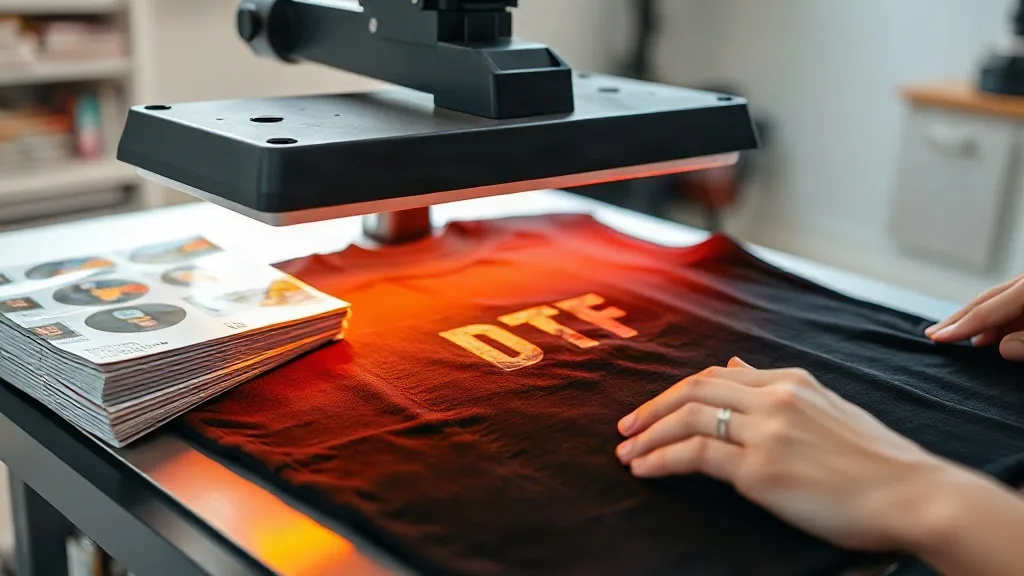
If you've been exploring custom apparel printing, you've likely encountered dtf transfers. This innovative method is transforming how creators and businesses approach fabric printing, offering vibrant colors and exceptional durability without the complexity of traditional techniques. Whether you're a hobbyist or a seasoned pro, understanding DTF technology can open up new possibilities for your designs.
What Are DTF Transfers?
DTF stands for Direct-to-Film. It's a printing process where your design is printed onto a special film, coated with adhesive powder, and then heat-pressed onto fabric. Unlike DTG (Direct-to-Garment) printing, which requires specially pretreated shirts, DTF transfers work on a wide range of materials, including cotton, polyester, blends, and even some non-fabric items. The result is a soft, stretchable print that holds up wash after wash.
Why Choose DTF Transfers?
There are several reasons why dtf transfers have become a favorite among print shops and DIY enthusiasts:
- Versatility: Works on almost any fabric color and type, including dark and light materials.
- Durability: Prints resist cracking, fading, and peeling even after multiple washes.
- Detail: Captures fine lines and gradients with impressive accuracy.
- No Pretreatment: Saves time and reduces costs compared to DTG.
- Eco-Friendly: Uses less water than traditional screen printing.
These benefits make DTF a go-to solution for small businesses, event merchandise, and personalized gifts.
How to Apply DTF Transfers: Step-by-Step
Applying DTF transfers is straightforward if you follow the right steps. Here's a simple guide to ensure professional results:
- Prepare Your Heat Press: Preheat your press to 325°F (160°C) and set pressure to medium-high.
- Position the Transfer: Place the DTF film on the fabric with the printed side facing up. Ensure it's centered and straight.
- Press: Cover with a protective sheet (like parchment paper) and press for 10-15 seconds.
- Peel: Wait a few seconds for the film to cool slightly, then peel it off in a smooth, steady motion. For a matte finish, peel while hot; for glossy, wait until cold.
- Post-Press: Cover the design with parchment paper and press again for 5 seconds to embed the print into the fabric.
Always test on a scrap piece first to dial in your press settings.
Choosing the Right DTF Supplies
Quality supplies are key to successful DTF printing. Look for films that are compatible with your printer and adhesive powder that melts evenly. When searching for dtf transfers near me, consider suppliers that offer consistent quality and fast shipping. At dtf directly, we provide premium DTF transfers and supplies to help you achieve professional results.
Film and Powder
Not all DTF films are created equal. Choose a film that releases cleanly and doesn't leave residue. The adhesive powder should have a fine consistency for smooth application.
Inks and Printers
Use DTF-specific inks that are vibrant and opaque. While some modified inkjet printers work, dedicated DTF printers offer better reliability and output.
Common Mistakes to Avoid
Even experienced users can run into issues. Here are some pitfalls to watch out for:
- Insufficient Pressure: Leads to poor adhesion and early peeling.
- Wrong Temperature: Too hot can scorch the film; too cold won't activate the adhesive.
- Peeling Too Soon or Too Late: Follow the recommended timing for your film type.
- Ignoring Fabric Type: Some fabrics require lower temperatures or additional care.
By avoiding these mistakes, you'll save time and materials.
DTF vs. Other Printing Methods
How does DTF stack up against other popular techniques?
- Screen Printing: Better for large orders of simple designs, but DTF wins for complex, multi-color prints and small batches.
- Vinyl: DTF offers softer hand feel and more detail; vinyl is limited to simple shapes.
- DTG: DTF requires no pretreatment and works on more fabrics, but DTG can be more cost-effective for 100% cotton in high volumes.
Each method has its place, but DTF's versatility makes it a strong contender for many projects.
Frequently Asked Questions
Can I use DTF transfers on dark shirts?
Absolutely! DTF transfers include a white ink layer that makes colors pop on dark fabrics. Just ensure your design has enough white backing for opacity.
How long do DTF prints last?
With proper application and care, DTF prints can last 50+ washes without significant fading or cracking. Always wash inside out in cold water and avoid bleach.
Do I need a special printer for DTF?
You can use a modified inkjet printer with DTF inks, but dedicated DTF printers offer better reliability and consistency. For beginners, purchasing pre-printed transfers is a great start.
What fabrics work best with DTF?
DTF works on cotton, polyester, blends, and even leather. It's not recommended for nylon or fabrics with heavy coatings.
Where can I buy DTF transfers?
Many online suppliers offer DTF transfers. Look for reviews and ensure they use quality materials. For reliable service, consider dtf transfers from trusted providers.
DTF transfers are a game-changer for custom apparel. With the right knowledge and supplies, you can achieve stunning, durable prints that impress. Explore the possibilities and elevate your creations today.