
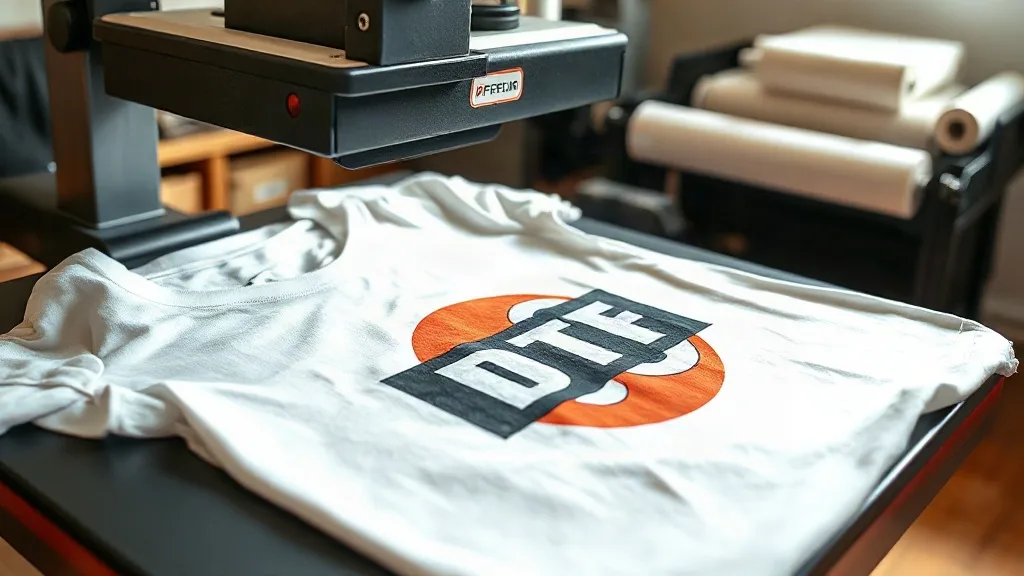
If you've been exploring custom apparel printing, you've likely come across dtf transfers as a versatile and accessible method. But what exactly are they, and how can you use them to achieve professional-looking results? This guide will walk you through the entire process, from understanding the technology to applying transfers like a pro. Whether you're a small business owner, a hobbyist, or simply curious about the latest in garment decoration, this article will equip you with practical knowledge to get started with confidence.
What Are DTF Transfers?
DTF stands for Direct-to-Film, a printing technology that involves printing your design onto a special film, applying a powder adhesive, and then transferring it onto fabric using heat and pressure. Unlike other methods that require specific fabrics or pre-treatment, dtf transfers work on a wide range of materials, including cotton, polyester, blends, and even some nylons. The process is relatively straightforward and offers vibrant colors, fine details, and excellent durability when done correctly.
The DTF Printing Process
The DTF printing process begins with a digital printer that uses special inks to print the design onto a PET film. The printed film is then dusted with a hot-melt adhesive powder, which is melted into the ink using a heat source. This creates a transfer that can be stored and later applied to garments. The key advantage is that the design is printed on a flat surface, allowing for high-resolution output and intricate details that might be challenging with other methods.
Why Choose DTF Transfers?
There are several reasons why DTF transfers have gained popularity among both professionals and hobbyists. First, they eliminate the need for weeding or cutting, saving time and reducing waste. Second, they adhere well to difficult fabrics like polyester and nylon, where other methods might struggle. Third, the prints are stretchable and crack-resistant, making them ideal for performance wear and items that undergo frequent washing. Finally, DTF transfers are cost-effective for small to medium runs, as there's no minimum order quantity and setup costs are minimal.
Step-by-Step Guide to Applying DTF Transfers
Applying DTF transfers is a straightforward process, but attention to detail is crucial for achieving a professional finish. Here's a step-by-step guide to help you get started.
1. Prepare Your Workspace and Materials
Before you begin, gather all necessary materials: a heat press, the DTF transfer, the garment, and a protective sheet (such as parchment paper or a Teflon sheet). Ensure your heat press is clean and preheated to the recommended temperature (usually around 300°F to 350°F, depending on the transfer supplier). Also, pre-press the garment for a few seconds to remove wrinkles and moisture.
2. Position the Transfer
Place the DTF transfer onto the garment with the printed side facing up. If your transfer has a carrier film, make sure the design is aligned correctly. Use heat-resistant tape to secure the transfer in place if needed, especially for small or intricate designs.
3. Apply Heat and Pressure
Cover the transfer with a protective sheet and close the heat press. Apply medium to firm pressure for the recommended time, typically 10-15 seconds. Avoid using too much pressure, as it can cause the adhesive to spread and result in a stiff feel. Once the time is up, open the press and carefully peel away the carrier film while it's still hot. For a matte finish, peel cold; for a glossy finish, peel hot. Always follow the specific instructions provided with your transfers.
4. Post-Press and Quality Check
After peeling, inspect the print for any flaws. If you notice any areas that didn't adhere properly, you can re-press for a few seconds. Allow the garment to cool completely before folding or packaging. For best durability, wait 24 hours before washing.
Common Challenges and How to Overcome Them
Even with careful application, you might encounter some issues. Here are a few common challenges and their solutions.
- Adhesive peeling off: This usually happens if the temperature is too low or the pressure is insufficient. Increase the temperature slightly and ensure even pressure.
- Design cracking: Cracking can occur if the transfer is over-pressed or if the garment is stretched during application. Use moderate pressure and avoid stretching the fabric.
- Color fading: To maintain vibrant colors, wash the garment inside out in cold water and avoid harsh detergents. Also, ensure the transfer is fully adhered during application.
Finding DTF Transfers Near You
If you're looking to try DTF transfers but don't want to invest in a printer, you can easily find suppliers online or locally. Searching for dtf transfers near me can help you locate a provider that offers quick turnaround and competitive pricing. Many suppliers offer custom transfers with no minimum order, making it easy to test the waters before committing to larger quantities.
DTF vs. Other Printing Methods
When deciding on a printing method, it's helpful to compare DTF with other popular techniques like screen printing, DTG (Direct-to-Garment), and vinyl. Screen printing is cost-effective for large orders but requires setup and is limited to certain fabrics. DTG works well on cotton but struggles with polyester blends. Vinyl is great for simple designs but not for complex, multi-color images. DTF, on the other hand, offers a balance: it handles complex designs, works on almost any fabric, and is economical for small batches. The table below summarizes the key differences.
| Method | Fabric Compatibility | Setup Cost | Best For |
|---|---|---|---|
| DTF | Cotton, polyester, blends, nylon | Low | Small runs, complex designs |
| Screen Printing | Cotton, some blends | High | Large orders, simple designs |
| DTG | Cotton primarily | Medium | Detailed designs on cotton |
| Vinyl | Cotton, polyester | Low | Simple designs, personalization |
Frequently Asked Questions
Can I use DTF transfers on dark fabrics?
Yes, DTF transfers work well on dark fabrics because the white ink layer in the transfer provides a base that makes colors pop. However, ensure that the transfer is specifically designed for dark garments, as some transfers are optimized for light fabrics.
How long do DTF transfers last?
With proper application and care, DTF transfers can last as long as the garment itself. They are resistant to cracking, fading, and peeling when washed according to the care instructions. Typically, you can expect the print to withstand 50+ washes.
Do I need a special printer for DTF transfers?
Yes, DTF printing requires a dedicated DTF printer that uses pigment-based inks and a film substrate. However, if you don't want to invest in a printer, you can purchase pre-printed transfers from suppliers.
What is the best temperature for pressing DTF transfers?
The optimal temperature range is usually between 300°F and 350°F (150°C to 175°C), but always check the instructions provided by your transfer supplier. Factors like fabric type and transfer thickness can influence the ideal settings.
Can I stretch DTF transfers?
DTF transfers are known for their stretchability, making them suitable for athletic wear and stretchy fabrics. However, avoid over-stretching during application, as this can cause the design to distort.
With this guide, you're well-equipped to explore the world of DTF transfers. Whether you're creating custom t-shirts for your business or personal projects, DTF offers a reliable and versatile solution. Remember to practice on scrap fabric first and always follow the manufacturer's recommendations for the best results.