
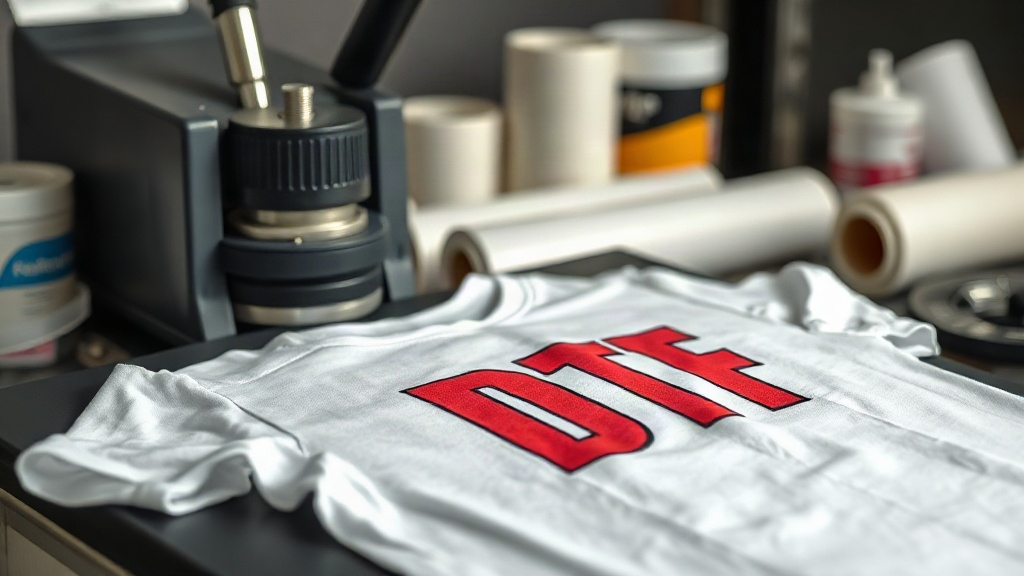
If you've been in the custom apparel game for any length of time, you've probably heard about DTF Transfers. They've taken the printing world by storm, and for good reason. Unlike traditional methods that require weeding, masking, or special equipment, DTF transfers offer a streamlined way to get vibrant, detailed designs onto fabric. But what exactly are they, and why should you care? Whether you're a small business owner looking to expand your product line or a hobbyist wanting to create custom t-shirts for your team, understanding DTF transfers can save you time, money, and a whole lot of frustration.
What Are DTF Transfers?
DTF stands for Direct to Film. It's a printing technology where your design is printed onto a special film, coated with a powder adhesive, and then heat-pressed onto fabric. The process is surprisingly simple: print, powder, cure, and press. The result is a transfer that's soft, stretchy, and incredibly durable. Unlike vinyl, DTF transfers can handle intricate details, gradients, and even photographs without losing quality. They adhere to a wide range of fabrics, including cotton, polyester, blends, and even some nylons. That versatility is a big part of their appeal.
How DTF Transfers Differ from Other Methods
Compared to screen printing, DTF transfers don't require expensive screens or setup fees. That makes them perfect for small batches or one-off designs. Compared to sublimation, they work on dark and light fabrics alike, and they don't require polyester coatings. And unlike heat transfer vinyl (HTV), there's no weeding involved—you simply press the entire transfer. This eliminates a huge amount of labor and opens the door for designs that would be impossible to weed by hand.
Why Durability Matters and How DTF Delivers
When you sell or wear custom apparel, the last thing you want is a design that cracks, peels, or fades after a few washes. DTF transfers are known for their excellent washability. When applied correctly, they can withstand dozens of wash cycles without significant deterioration. The key lies in the quality of the film, the powder, and the application process. A properly pressed DTF transfer bonds with the fabric fibers, creating a flexible yet strong hold. That means your designs stay put, even on stretchy fabrics like spandex blends.
I've personally tested DTF transfers on everything from cotton tees to polyester performance wear. After multiple washes, the colors remained vibrant, and the edges didn't lift. Of course, not all DTF transfers are created equal. Cheaper films and powders can lead to premature failure. That's why sourcing from a reputable supplier like DTF Directly makes a difference. They offer high-quality transfers that are consistent and reliable.
Choosing the Right DTF Transfers for Your Project
Not all DTF transfers are the same. There are variations in film thickness, adhesive strength, and color vibrancy. Here are a few factors to consider when selecting transfers:
- Fabric type: While DTF works on many fabrics, some blends may require a specific type of transfer or a particular pressing technique. Always test on a scrap piece first.
- Design complexity: DTF excels with complex designs, but if your design has very fine lines or small text, you'll want a high-resolution transfer to ensure clarity.
- Washability requirements: If the garment will be washed frequently, invest in premium transfers that are designed for durability.
- Color vibrancy: DTF transfers can produce bright, opaque colors on both light and dark fabrics. However, some transfers may have a slight white underbase that can affect the feel. Look for transfers that offer a soft hand.
When in doubt, request samples. A good supplier will provide samples so you can test the quality before committing to a large order.
Application Tips for Perfect Results
Getting a flawless DTF transfer application is part art, part science. Here are some best practices:
- Preheat the garment: This removes moisture and wrinkles, ensuring a smooth surface for the transfer.
- Use the right temperature and pressure: Typically, 325°F to 350°F with medium to firm pressure for 10-15 seconds. Always check the transfer's instructions.
- Peel cool: Most DTF transfers require a cool peel. Wait a few seconds after pressing before removing the film. Peeling too hot can distort the design.
- Post-press for extra durability: A second press with a cover sheet for 5-10 seconds can improve adhesion and washability.
Following these steps will give you professional-looking results every time.
Common Mistakes to Avoid with DTF Transfers
Even experienced crafters can run into issues. Here are some pitfalls to watch out for:
- Insufficient pressure: If the transfer doesn't adhere properly, it may peel after washing. Make sure your heat press applies even pressure.
- Wrong temperature: Too hot and the film may melt or the design may scorch; too cold and the adhesive won't activate.
- Not pre-pressing: Skipping this step can trap moisture, leading to poor adhesion.
- Using a home iron: While possible, it's difficult to achieve consistent results. A heat press is highly recommended.
By avoiding these mistakes, you'll save time and materials.
Why Choose DTF Directly for Your DTF Transfers
At dtfdirectly.com, we specialize in providing top-tier DTF transfers that are ready to press. Our transfers are known for their vibrant colors, soft feel, and exceptional durability. We cater to both small businesses and individual creators, offering custom transfers with no minimum order requirements. Whether you need a single transfer or thousands, we've got you covered. Our team is dedicated to helping you succeed, providing support and guidance every step of the way. Plus, our quick turnaround times mean you can get your projects done faster.
We understand that quality matters. That's why we use only the best materials and state-of-the-art equipment to produce our transfers. When you order from DTF Directly, you're getting a product that's been tested and trusted by professionals.
Frequently Asked Questions About DTF Transfers
How long do DTF transfers last?
With proper application and care, DTF transfers can last as long as the garment itself. They typically withstand 50+ washes without cracking or fading. To maximize longevity, wash inside out in cold water and avoid bleach.
Can I apply DTF transfers to any fabric?
DTF transfers work best on cotton, polyester, and blends. They can also be applied to some nylons and leathers, but always test first. Fabrics with a rough texture or heavy coatings may not yield optimal results.
Do I need a special printer to make DTF transfers?
Yes, creating DTF transfers requires a DTF printer, DTF film, and adhesive powder. However, if you're not ready to invest in equipment, you can order custom transfers from a supplier like DTF Directly.
What's the difference between DTF and DTG?
DTG (Direct to Garment) prints directly onto the fabric, while DTF prints onto a film that is then transferred. DTF often produces more vibrant colors on dark fabrics and works on a wider range of materials.
How should I store unused DTF transfers?
Store them in a cool, dry place away from direct sunlight. Keep them flat to prevent curling. Properly stored transfers can last for several months.