
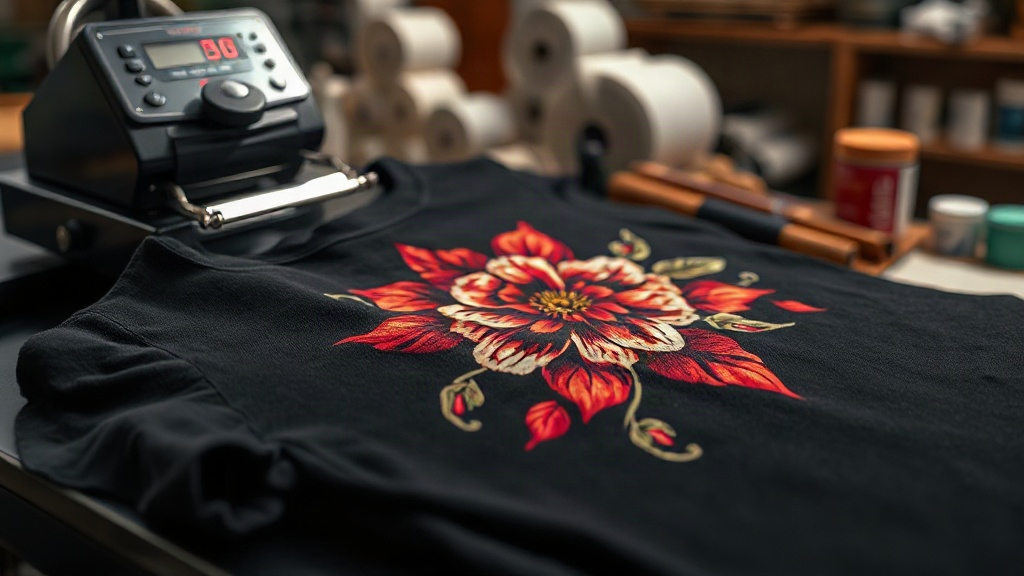
If you're in the custom apparel business, you've likely heard about DTF Transfers. This innovative printing method is changing how we decorate fabrics, offering vibrant colors and incredible durability. Whether you're a seasoned pro or just starting, understanding DTF transfers can open up new possibilities for your projects. In this guide, we'll dive deep into what DTF transfers are, how they work, and why they might be the perfect solution for your printing needs.
What Are DTF Transfers?
DTF stands for Direct to Film. It's a printing technique where your design is printed onto a special film, then coated with a adhesive powder and cured. The resulting transfer is then applied to fabric using a heat press. Unlike DTG (Direct to Garment) or screen printing, DTF transfers can be used on a wide range of fabrics, including cotton, polyester, blends, and even nylon. This versatility makes them a favorite among printers who need flexibility.
How DTF Transfers Work: Step by Step
Understanding the process helps you appreciate the magic behind DTF transfers. Here's a breakdown of the steps:
- Design Preparation: Your artwork is prepared digitally, ensuring it's mirrored and sized correctly.
- Printing: A specialized DTF printer prints the design onto a PET film using CMYK and white inks.
- Powder Application: While the ink is still wet, a hot-melt adhesive powder is applied evenly over the design.
- Curing: The film passes through a curing oven or heat press to melt the powder, creating a dry, ready-to-use transfer.
- Transfer: The film is placed on the fabric and pressed with a heat press, transferring the design permanently.
Each step is crucial for achieving a high-quality, long-lasting print.
Why Choose DTF Transfers?
DTF transfers offer several advantages over traditional methods. Let's explore the key benefits:
- Fabric Versatility: Works on cotton, polyester, blends, leather, and more.
- No Weeding or Cutting: Unlike vinyl, DTF transfers require no manual weeding, saving time and labor.
- Vibrant Colors: The white ink base allows for bright, opaque prints on dark fabrics.
- Durability: When applied correctly, DTF prints withstand washing and wear without cracking or fading.
- Cost-Effective for Short Runs: Ideal for small batches and personalized items.
These benefits make DTF transfers a smart choice for businesses of all sizes.
DTF vs. Other Printing Methods
How does DTF stack up against DTG, screen printing, and vinyl? Here's a quick comparison:
- DTG: Best for 100% cotton, but requires pretreatment and can be less durable. DTF works on more fabrics and often yields more vibrant results.
- Screen Printing: Cost-effective for large orders but setup is time-consuming and costly for small runs. DTF is better for short runs and complex designs.
- Vinyl: Limited to simple designs and requires weeding. DTF handles intricate details with ease.
While each method has its place, DTF transfers excel in flexibility and ease of use.
Choosing the Right DTF Supplies
To get started with DTF transfers, you'll need the right equipment and materials. Here's what to consider:
- DTF Printer: Look for a printer designed for DTF, with white ink circulation and reliable print heads.
- PET Film: Use high-quality film that accepts ink well and releases cleanly.
- Adhesive Powder: Choose a fine, consistent powder for smooth application.
- Heat Press: A heat press with even pressure and accurate temperature control is essential.
Investing in quality supplies ensures consistent, professional results.
Step-by-Step Application Guide
Applying DTF transfers is straightforward if you follow these steps:
- Preheat the Fabric: Remove moisture and wrinkles by pressing for a few seconds.
- Position the Transfer: Place the film on the fabric with the design facing up.
- Press: Apply heat and pressure according to the transfer instructions (typically 300-320°F for 10-15 seconds).
- Peel: Wait for the transfer to cool completely before peeling off the film. Cold peel is standard for DTF.
- Post-Press: For added durability, press again for a few seconds with a cover sheet.
Always test on a scrap piece first to dial in your settings.
Common Mistakes to Avoid
Even experienced printers can run into issues. Here are pitfalls to watch for:
- Insufficient Pressure: Leads to poor adhesion and premature peeling.
- Incorrect Temperature: Too low and the powder won't melt; too high and the film may warp.
- Impatience with Peeling: Peeling too soon can distort the design. Wait until it's cool.
- Poor Powder Application: Uneven powder causes patches and weak spots.
By avoiding these mistakes, you'll achieve flawless results every time.
Tips for Long-Lasting DTF Prints
To ensure your DTF transfers stand the test of time, follow these care tips:
- Wash garments inside out in cold water.
- Avoid bleach and fabric softeners.
- Tumble dry on low or hang dry.
- Iron inside out, never directly on the print.
With proper care, your DTF prints will remain vibrant for years.
Frequently Asked Questions
Can DTF transfers be applied to any fabric?
DTF transfers work on a wide range of fabrics, including cotton, polyester, blends, nylon, and even leather. However, for best results, avoid fabrics with heavy coatings or finishes that may prevent adhesion.
How durable are DTF transfers?
When applied correctly, DTF transfers are highly durable. They can withstand multiple washes without cracking, fading, or peeling. Proper care, such as washing inside out and avoiding harsh chemicals, extends their life.
Do I need a special printer for DTF transfers?
Yes, you need a DTF printer that uses DTF inks and has a white ink channel. While you can modify some inkjet printers, dedicated DTF printers are recommended for reliable, high-quality output.
What is the difference between DTF and DTG?
DTF (Direct to Film) involves printing on film and transferring to fabric, while DTG (Direct to Garment) prints directly onto the fabric. DTF works on more fabric types and often produces more vibrant colors on dark materials.
How do I store unused DTF transfers?
Store unused DTF transfers in a cool, dry place, away from direct sunlight. Keep them in a sealed bag to prevent dust and moisture from affecting the adhesive powder.
Conclusion
DTF Transfers are revolutionizing the custom apparel industry with their versatility, durability, and vibrant results. Whether you're printing t-shirts, hoodies, or tote bags, DTF transfers offer a reliable solution that works on almost any fabric. By understanding the process, investing in quality supplies, and following best practices, you can elevate your printing game and delight your customers. So why not give DTF transfers a try? Your creativity knows no bounds with this amazing technology.