
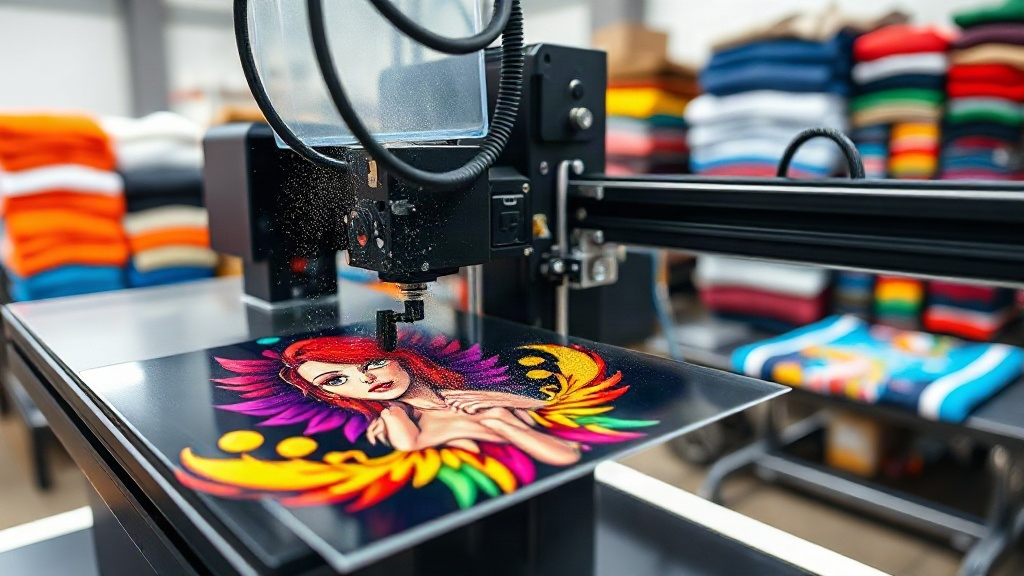
If you've been exploring custom apparel printing, you've likely encountered DTF printing. Short for Direct-to-Film, this technology has quickly become a favorite among print shops, hobbyists, and entrepreneurs for its versatility and vibrant results. Unlike traditional methods that require specialized equipment or extensive setup, DTF printing offers a streamlined approach to transferring detailed designs onto various fabrics. In this guide, we'll dive deep into what DTF printing is, how it works, and why it might be the perfect solution for your next project.
What is DTF Printing?
DTF printing is a digital printing method where your design is printed onto a special film, coated with adhesive powder, and then heat-pressed onto the fabric. The process eliminates the need for pre-treatment or weeding, making it incredibly efficient for both small and large runs. The result is a soft, durable print that stretches with the fabric and withstands repeated washing.
The Science Behind the Print
At its core, DTF printing uses a specialized printer equipped with pigment-based inks. These inks are printed onto a PET film, which has a release coating. After printing, a thermoplastic polyurethane (TPU) powder is applied to the wet ink. This powder acts as the adhesive that bonds the design to the fabric when heat is applied. The film is then cured, and the design is ready to be transferred.
Why Choose DTF Printing?
There are several compelling reasons why DTF printing has gained such popularity:
- Versatility: Works on a wide range of fabrics, including cotton, polyester, blends, and even leather. No need for different inks or pre-treatment.
- Durability: The prints are highly resistant to cracking, peeling, and fading, even after many washes.
- Detail: Capable of reproducing fine details, gradients, and photorealistic images with stunning clarity.
- Efficiency: No weeding or cutting required, saving time and labor.
- Cost-effective: Low startup costs compared to screen printing or DTG, especially for short runs.
DTF Printing Step-by-Step
Let's walk through the DTF printing process from start to finish.
1. Design Preparation
Create your artwork in a graphic design software like Adobe Photoshop or Illustrator. Ensure the design is mirrored (flipped horizontally) because the film will be pressed face-down onto the fabric. Use CMYK color mode for accurate color reproduction.
2. Printing
Load the PET film into your DTF printer. The printer lays down a layer of white ink first (if printing on dark fabrics) followed by the color inks. This white base ensures the colors pop on any background. The printed film then passes through a powder shaker that applies the TPU adhesive powder evenly.
3. Curing
After powdering, the film goes through a curing oven or heat press to melt the powder. This step is crucial for proper adhesion. The cured film can be stored for later use or immediately transferred.
4. Heat Pressing
Set your heat press to the recommended temperature (usually around 160°C or 320°F) and pressure. Place the film on the garment with the printed side down. Press for 10-15 seconds. Then, peel the film off while it's still hot (hot peel) or after it cools (cold peel), depending on the film type. Finally, press again for a few seconds with a protective sheet to ensure the print is fully embedded.
Common Applications of DTF Printing
DTF printing is used across various industries and personal projects. Here are some popular applications:
- Custom t-shirts, hoodies, and activewear
- Team uniforms and sports jerseys
- Promotional items like tote bags and caps
- Denim jackets and jeans
- Home textiles such as pillowcases and aprons
DTF vs. Other Printing Methods
How does DTF stack up against other common printing techniques?
DTF vs. DTG (Direct-to-Garment)
DTG prints directly onto the garment, which requires pre-treatment for dark shirts. It's ideal for 100% cotton but struggles with polyester. DTF, on the other hand, works on almost any fabric and doesn't need pre-treatment, making it more versatile.
DTF vs. Screen Printing
Screen printing is cost-effective for large orders but requires separate screens for each color and is labor-intensive for complex designs. DTF excels at detailed, multi-color designs and short runs, with minimal setup.
DTF vs. Vinyl
Heat transfer vinyl (HTV) is great for simple, single-color designs but can't handle gradients or fine details. DTF can print full-color images with ease, and there's no weeding involved.
Tips for Successful DTF Printing
To get the best results from your DTF printer, keep these tips in mind:
- Always use high-quality PET film and TPU powder designed for DTF.
- Maintain your printer regularly: clean the printhead, check ink levels, and replace consumables as needed.
- Test your heat press settings (temperature, pressure, time) on a scrap fabric before pressing your final product.
- Store printed films in a cool, dry place to prevent premature curing.
- Use a Teflon sheet or parchment paper between the heat press and the film to avoid sticking.
Frequently Asked Questions
What fabrics can I use with DTF printing?
DTF printing works on a wide range of fabrics, including cotton, polyester, cotton-poly blends, nylon, leather, and even some treated materials. It's particularly useful for fabrics that are difficult to print with other methods, such as polyester and blends.
How long does a DTF print last?
When applied correctly, a DTF print can last as long as the garment itself. It withstands dozens of washes without significant fading, cracking, or peeling. Proper washing (inside out, cold water, no bleach) will extend its life.
Do I need to pre-treat fabric for DTF?
No, pre-treatment is not required for DTF printing. This is one of its major advantages over DTG printing. The adhesive powder and heat press do all the work.
Can I print white ink with DTF?
Yes, DTF printers use white ink as a base layer for printing on dark fabrics. The white ink is printed first, followed by the color inks, ensuring vibrant colors on any background.
What equipment do I need to start DTF printing?
To start DTF printing, you'll need a DTF printer, PET film, TPU adhesive powder, a powder shaker (optional but recommended), a heat press, and a curing oven (or you can use a heat press for curing). Additionally, you'll need a computer with design software.
With its combination of versatility, durability, and ease of use, DTF printing is a game-changer for anyone in the custom apparel industry. Whether you're a small business owner or a DIY enthusiast, mastering DTF printing can open up a world of creative possibilities.