
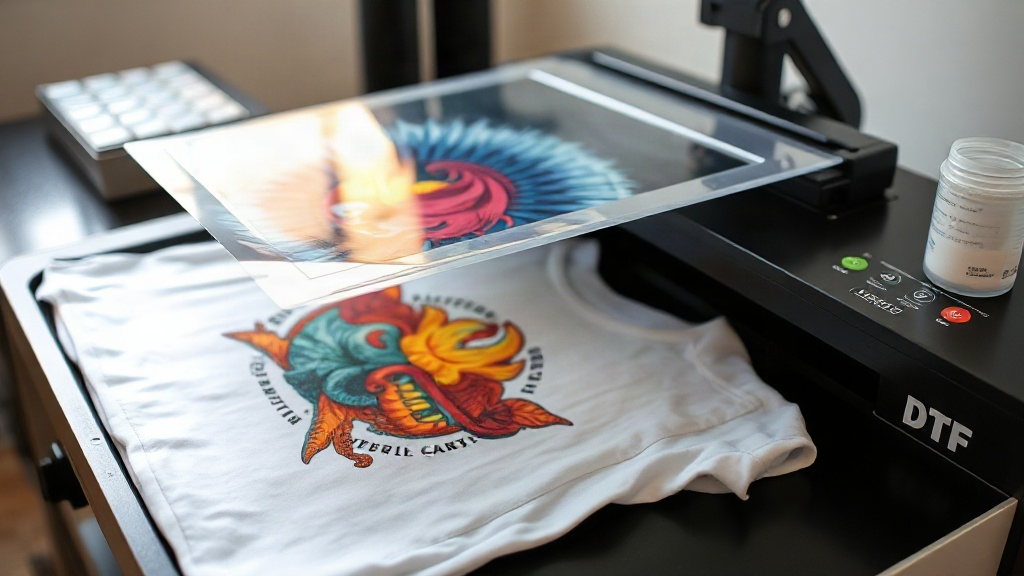
When you first dive into the world of DTF printing, it's easy to get overwhelmed by the sheer number of variables: film thickness, ink formulations, powder types, curing times, and fabric compatibility. Unlike screen printing or vinyl cutting, DTF (Direct to Film) offers a unique blend of versatility and simplicity, but only if you understand the materials you're working with. This guide cuts through the noise and gives you practical, experience-based advice on choosing the right supplies and dialing in your process for consistent, professional results.
What Makes DTF Printing Different?
DTF printing stands apart because it decouples the printing process from the garment. You print your design onto a special film, apply a thermoplastic powder to the wet ink, cure it, and then heat press it onto your substrate. This means you can print on cotton, polyester, blends, and even hard-to-decorate items like canvas bags, caps, and leather. No pre-treatment is required, and the stretch and durability of the final print often surpass other methods. The key to success lies in mastering each component: the film, the ink, the powder, and the press.
Choosing the Right DTF Film
Not all films are created equal. The film acts as a temporary carrier for your design, and its properties directly affect print quality, transfer ease, and feel. Here's what to look for:
Thickness and Hand Feel
Films typically range from 75 to 100 microns. Thinner films (75-80 microns) produce a softer hand feel and are ideal for fine details and small text. Thicker films (90-100 microns) are more forgiving during transfer and work well for bold, high-coverage designs. If you're printing on stretchy fabrics, a thinner film will conform better and resist cracking.
Coating and Release
The coating on the film determines how well the ink adheres and releases. A high-quality film will have a consistent coating that prevents ink from bleeding and allows for clean transfer without leaving residue. Cheaper films often have uneven coatings, leading to patchy transfers and frustration. Always test a new film with your ink and powder combination before committing to a large order.
Hot Peel vs. Cold Peel
Hot peel films allow you to remove the carrier sheet immediately after pressing while the transfer is still hot. This speeds up production and reduces the risk of the film sticking to the print. Cold peel films require you to wait until the transfer cools completely, which can be time-consuming but often yields a smoother finish. Your choice depends on your workflow and the level of detail in your designs.
Understanding DTF Inks
DTF inks are not your average inkjet inks. They are pigmented formulations designed to sit on top of the film and later bond with the powder. There are two main types: water-based and solvent-based. Water-based inks are more environmentally friendly, odorless, and require less maintenance. Solvent-based inks offer faster drying and can be more vibrant, but they require ventilation and careful handling. Most modern DTF printers use water-based inks.
Color Management and Profiles
To achieve accurate colors, you need ICC profiles tailored to your specific ink, film, and printer combination. Without them, you'll struggle with muddy colors, oversaturation, or banding. Most printer manufacturers provide profiles, but you may need to create custom ones if you switch supplies. Invest in a spectrophotometer if you're serious about color consistency.
White Ink and Underbase
White ink is the workhorse of DTF printing. It acts as an underbase for colors on dark garments and as a standalone color on light fabrics. White ink is thicker and requires frequent agitation to prevent settling. It also needs to be printed in multiple passes to achieve opacity. Keeping your white ink circulating and your print head clean is crucial for avoiding clogs and uneven layers.
The Role of DTF Powder
After printing, you sprinkle a thermoplastic powder onto the wet ink. This powder melts during curing and forms a flexible adhesive layer that bonds the print to the fabric. Powder particle size matters: finer powders (80-100 microns) create a softer feel and are better for detailed designs, while coarser powders (120-150 microns) provide stronger adhesion for heavy coverage. Always shake off excess powder thoroughly; leftover powder can cause a gritty texture and clog your press.
Curing and Heat Pressing
Curing is a two-step process: first, you melt the powder onto the film using a heat press or oven, then you transfer the design to the garment. For melting, set your press to 160-170°C (320-340°F) and press for 60-90 seconds with low pressure. The powder should turn from white to a glossy, clear layer. For transfer, preheat your garment for 5-10 seconds, then press at 150-160°C (300-320°F) for 10-15 seconds with medium pressure. Peel the film according to its type (hot or cold).
Applications and Fabric Compatibility
DTF printing shines on a wide range of materials. It's excellent for cotton, polyester, and blends, but also works on nylon, leather, and even metal. The only caveat is that very stretchy fabrics like spandex may require a stretch additive in the powder or a lower-temperature transfer to prevent cracking. Always test on a scrap piece first.
Common Pitfalls and How to Avoid Them
- Clogged print heads: Regular maintenance and using good ink are key. Run a nozzle check daily.
- Powder not sticking: Ensure your ink is still wet when applying powder. If it's too dry, increase humidity or adjust your print settings.
- Poor adhesion: Check your press temperature and pressure. Too little pressure or heat will result in a transfer that peels off.
- Color shifting: Use ICC profiles and calibrate your monitor regularly.
Frequently Asked Questions
Can I use DTF printing on 100% polyester?
Yes, DTF printing works beautifully on polyester. The low-temperature transfer (around 150°C) prevents the fabric from scorching or shrinking. However, some very slick polyesters may require a slightly longer press time or a higher pressure to ensure the adhesive bonds properly. Always do a test press to confirm.
How do I store DTF films and prints?
Unused films should be kept in a cool, dry place away from direct sunlight. Once printed and powdered, the transfers can be stored in a sealed bag or container for several weeks. Avoid stacking them under heavy objects, as the powder can flake off. For best results, use them within a month.
What is the difference between hot peel and cold peel DTF film?
Hot peel film allows you to remove the carrier sheet immediately after pressing while the transfer is still hot. Cold peel film requires you to wait until the transfer cools completely before peeling. Hot peel is faster and reduces the risk of the film sticking to the print, while cold peel often gives a smoother, more matte finish.
Do I need a special printer for DTF printing?
You can convert a standard inkjet printer to DTF with a DTF ink system and a bulk ink supply, but dedicated DTF printers are engineered with white ink circulation and other features that make the process more reliable. If you're serious about production, invest in a dedicated DTF printer.
How durable is a DTF print?
When properly applied, a DTF print can last as long as the garment itself. It withstands repeated washing (inside out, cold water) and stretching without cracking or fading. The key is correct curing and pressing. Follow the instructions for your specific powder and film, and you'll enjoy long-lasting results.