
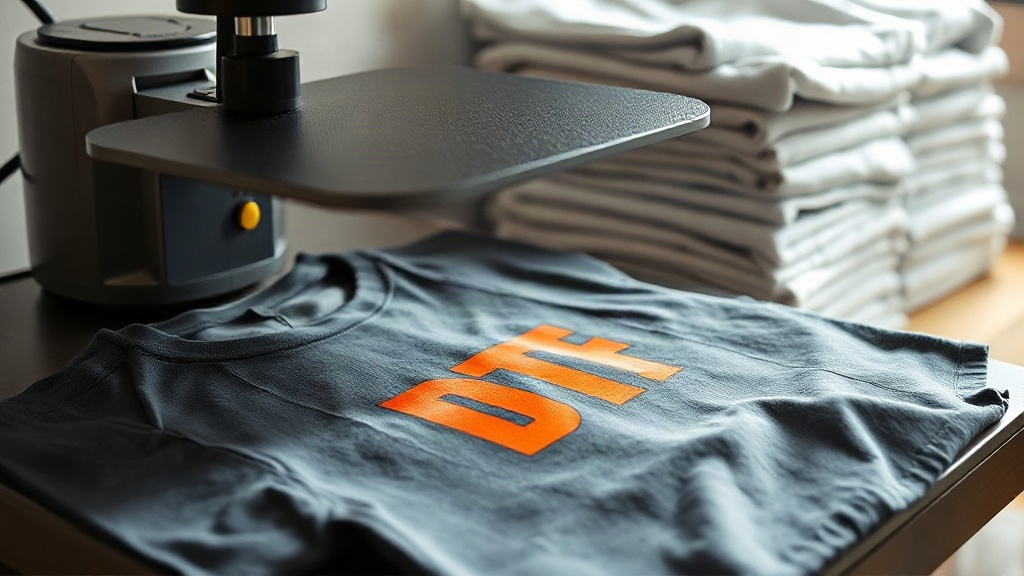
When you're creating custom apparel, the blank you choose is just as important as the design you print on it. Whether you're a small business owner, a hobbyist, or a professional printer, the combination of smart blanks and dtf transfers can elevate your products from amateur to professional. In this guide, we'll explore why shaka wear t-shirts are a top choice for DTF printing, how to apply transfers correctly, and how to avoid common pitfalls.
Why Smart Blanks Matter for DTF Transfers
Smart blanks are not just any empty garment; they are carefully selected substrates that offer optimal conditions for printing. For DTF (Direct to Film) transfers, the fabric composition, weave, and finish directly affect how well the transfer adheres and how long it lasts. A high-quality blank ensures that your transfer won't peel, crack, or fade prematurely.
When choosing smart blanks for DTF, consider these factors:
- Fabric content: 100% cotton or high-cotton blends work best. Synthetic fibers like polyester can require lower temperatures and may affect vibrancy.
- Weave and texture: Smooth, tight weaves provide a better surface for the adhesive to bond.
- Color: Light colors make vibrant prints pop, while dark colors may need a white underbase (which DTF transfers already include).
- Weight: Heavier fabrics (like 5.5 oz and up) tend to hold up better over time.
By selecting smart blanks that meet these criteria, you set the stage for a flawless application.
Shaka Wear: A Prime Canvas for DTF Printing
Shaka Wear has gained a loyal following among printers for its consistent quality and fit. Their t-shirts are made from 100% cotton, often ring-spun for softness, and come in a variety of weights. This makes them ideal for DTF transfers because the cotton fibers readily accept the adhesive and the ink sits beautifully on the surface.
Key Features of Shaka Wear Tees
- Heavyweight options: Many Shaka Wear styles are 6.0 oz or heavier, providing a durable base that resists stretching and sagging.
- Pre-shrunk: Less shrinkage means your transfer won't distort after washing.
- Consistent sizing: Reliable fit reduces returns and increases customer satisfaction.
- Wide color range: From classic white to deep black, you can match any design.
When you pair shaka wear with dtf transfers, you're combining a premium blank with a printing method that delivers photo-realistic detail and vibrant colors.
How to Apply DTF Transfers to Shaka Wear Tees
Applying DTF transfers is straightforward, but following the right steps ensures a long-lasting result. Here's a step-by-step guide tailored for Shaka Wear garments.
Step 1: Prepare Your Workspace
Set up a heat press in a well-ventilated area. Ensure the press is level and the platen is clean. Pre-press the Shaka Wear tee for 5-10 seconds to remove moisture and wrinkles. This also helps the fabric relax for better adhesion.
Step 2: Position the Transfer
Place the DTF transfer on the shirt with the printed side facing up. Use heat-resistant tape if needed to keep it in place. For precise placement, measure from the collar and center the design.
Step 3: Press with Confidence
Set your heat press to 325°F (160°C) with medium pressure. Press for 15-20 seconds. These settings work well for most Shaka Wear cotton tees. If you're using a thicker fabric, you might need to increase pressure slightly.
Step 4: Peel and Finish
After pressing, allow the transfer to cool completely before peeling off the film. This cool peel method prevents the design from stretching or lifting. For extra durability, you can do a second press for 5-10 seconds with a Teflon sheet or parchment paper over the design.
Common Mistakes to Avoid with DTF Transfers
Even with great blanks and transfers, errors can happen. Here are pitfalls to watch out for:
- Insufficient pressure: Leads to poor adhesion; the transfer may peel after washing.
- Wrong temperature: Too hot can scorch the fabric or melt the adhesive; too cool means the adhesive won't activate.
- Peeling too soon: Hot peel is possible with some DTF films, but cool peel is safer for Shaka Wear.
- Ignoring fabric blends: If your Shaka Wear tee is a blend (e.g., 50/50), adjust temperature and pressure accordingly.
By avoiding these mistakes, you'll achieve professional results every time.
Durability: How Long Will DTF Transfers Last on Shaka Wear?
When applied correctly, DTF transfers on Shaka Wear tees can last 50+ washes without significant fading or cracking. The key is proper washing and care. Advise your customers to:
- Turn the garment inside out before washing.
- Use cold water and mild detergent.
- Avoid bleach and fabric softeners.
- Tumble dry low or hang dry.
Following these guidelines preserves the vibrancy and integrity of the print.
Sourcing Smart Blanks and Shaka Wear
Finding reliable suppliers for smart blanks and shaka wear is crucial. Look for distributors that offer consistent stock, competitive pricing, and fast shipping. Many online retailers specialize in blank apparel for printers, and some even provide sample packs so you can test before committing to bulk orders.
When sourcing, consider:
- Minimum order quantities (MOQs) and whether they fit your production scale.
- Availability of sizes and colors.
- Customer reviews and return policies.
Building a relationship with a trusted supplier ensures you always have the blanks you need.
Frequently Asked Questions
Can I use DTF transfers on 100% polyester Shaka Wear shirts?
Yes, but you'll need to adjust your heat press settings. Polyester requires lower temperatures (around 280°F) and light pressure to avoid scorching. Also, DTF transfers adhere well to polyester, but the colors may appear slightly different than on cotton.
What is the best way to store unused DTF transfers?
Store them in a cool, dry place away from direct sunlight. Keep them flat in a sealed bag or folder to prevent dust and moisture from affecting the adhesive. Proper storage ensures they remain usable for months.
How do I prevent DTF transfers from cracking on Shaka Wear tees?
Cracking usually occurs from improper application or washing. Ensure you use sufficient pressure and the correct temperature during pressing. Also, advise customers to wash inside out in cold water and avoid high heat in the dryer.
Are smart blanks more expensive than regular blanks?
Not necessarily. Smart blanks refer to well-made, print-ready garments that may cost slightly more than low-quality alternatives, but they save you money in the long run by reducing waste and returns. Many suppliers offer competitive pricing on bulk orders.
Can I mix different Shaka Wear styles in one order?
Absolutely. Shaka Wear offers various fits and weights, so you can choose the best option for each design. Just be mindful that different styles may require slightly different press settings. Always test on a sample first.