
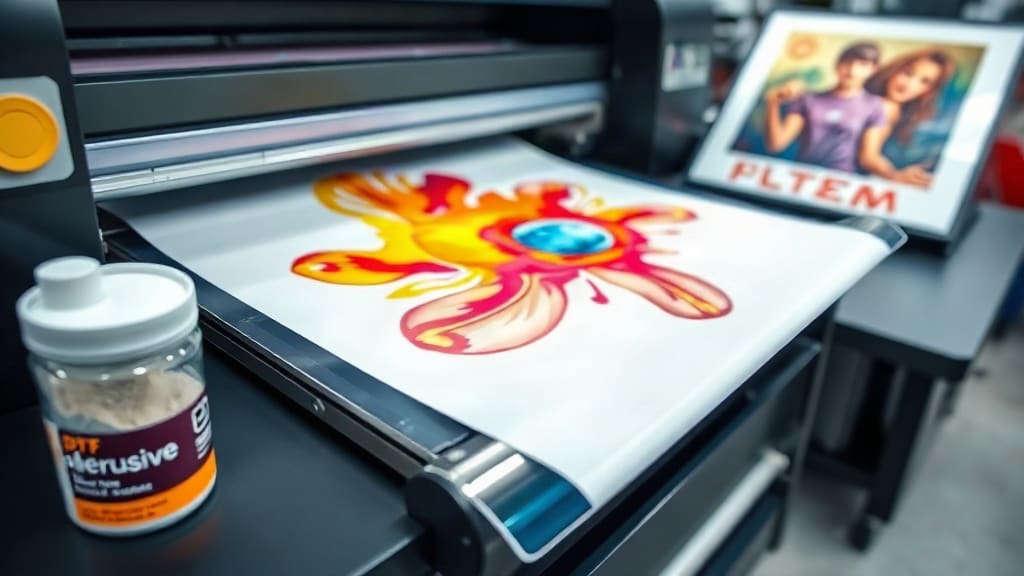
DTF transfers have revolutionized the custom printing industry, offering a versatile and cost-effective way to create vibrant, durable designs on various fabrics. Whether you're a small business owner, a DIY enthusiast, or a professional printer, understanding this technology can elevate your products. In this comprehensive guide, we'll explore what DTF transfers are, how they work, their benefits, and how you can use them to produce stunning custom apparel.
What Are DTF Transfers?
DTF (Direct to Film) transfers involve printing a design onto a special PET film using a DTF printer and then transferring it onto fabric using a heat press. Unlike traditional screen printing, DTF doesn't require screens or extensive setup, making it ideal for small batches and intricate designs. The process results in a soft, stretchable, and durable print that adheres well to cotton, polyester, blends, and even hard surfaces like ceramics.
Why Choose DTF Transfers?
The popularity of DTF transfers stems from their numerous advantages over other printing methods. Here are some key reasons:
- Vibrant Colors: DTF prints are known for their vivid, high-opacity colors that pop on any fabric, including dark materials.
- Soft Hand Feel: The print is thin and flexible, providing a soft, comfortable feel compared to traditional transfers.
- Durability: When applied correctly, DTF prints can withstand repeated washing and wear without cracking or fading.
- Versatility: Works on a wide range of fabrics, including 100% cotton, polyester, and blends.
- No Screen Setup: Ideal for on-demand printing and small runs, saving time and money.
How Do DTF Transfers Work?
The process of creating DTF transfers involves several steps, each crucial for achieving a high-quality final product.
Printing the Design
First, you print your design onto a special PET film using a DTF printer. The printer uses CMYK plus white ink, which is essential for creating a white base layer that ensures colors appear vibrant and opaque on dark fabrics. Using RIP software, you can control the ink saturation and print settings to optimize the output.
Applying Adhesive Powder
Once the ink is printed, a hot-melt adhesive powder is applied to the wet ink. This powder is shaken over the film, ensuring it covers the entire printed area. The film is then cured or melted using a heat source, such as a curing oven or a heat press, to bond the powder to the ink.
Cutting and Weeding
After curing, the film is cut around the design. Weeding, or removing the excess film, is often done manually, but automated cutting machines can simplify the process. This step is crucial for separating your designs from the rest of the film.
Heat Press Transfer
The prepared film is then placed on the fabric with the design facing up. Using a heat press, you apply pressure and heat (typically around 320°F for 15-20 seconds) to transfer the design from the film to the fabric. After peeling the film, the design remains on the fabric.
Post-Application
For best results, a second press with a protective sheet is recommended to ensure the adhesive fully cures. This step also helps in achieving a smoother finish and enhanced durability.
Choosing the Right Materials
The quality of your DTF transfers heavily depends on the materials you use. Here's what you need:
DTF Printer
You can use a dedicated DTF printer, which is often a modified Epson printer that handles DTF inks. Alternatively, you can convert an existing Epson printer, but ensure it's compatible with pigment inks and has a white ink circulation system.
DTF Inks
High-quality DTF inks are essential for color vibrancy and durability. Look for inks that are specifically formulated for DTF printing, as they offer better adhesion and flexibility.
PET Film
This specialized film is designed to hold the ink and adhesive powder. It comes in various thicknesses, but a standard 75-100 micron film is suitable for most applications.
Adhesive Powder
Hot-melt adhesive powder is critical for the transfer process. The powder type (e.g., fine or coarse) affects the final texture and washability. Fine powder is often used for softer hand feel, while coarse powder offers stronger adhesion.
Heat Press
A reliable heat press is necessary for applying transfers. Swing-away or clamshell presses are popular choices, but ensure you have precise temperature and pressure controls.
Tips for Perfect DTF Transfers
To achieve professional results with DTF transfers, consider these expert tips:
- Pre-Press the Fabric: Pre-pressing removes moisture and wrinkles, leading to better adhesion.
- Use a Teflon Sheet: Place a Teflon sheet over the film during pressing to protect both the film and the heat press.
- Press with Even Pressure: Uneven pressure can cause incomplete transfer. Use a consistent pressure setting.
- Peel at the Right Temperature: Follow the manufacturer's instructions for hot or cold peeling. This affects the finish and durability.
- Test on Scrap Fabric: Always test your settings on a piece of fabric to avoid costly mistakes.
Common Mistakes to Avoid
Even experienced printers can make errors. Here are common pitfalls and how to avoid them:
- Insufficient Adhesive Powder: This leads to poor adhesion and washability. Ensure even coverage.
- Overcuring: Excess heat can degrade the print. Follow recommended curing times.
- Using Low-Quality Inks: Cheap inks may cause fading or cracking. Invest in quality supplies.
- Incorrect Heat Press Settings: Too low temperature or time results in incomplete transfer. Calibrate your press regularly.
- Skipping Post-Press: A second press ensures full curing and enhances durability.
DTF vs. Other Printing Methods
Understanding how DTF transfers compare to other methods helps you choose the right technique for your needs.
DTF vs. Screen Printing
Screen printing is cost-effective for large quantities but has high setup costs and limitations with color gradients. DTF is more flexible for small batches and allows full-color prints with no setup.
DTF vs. DTG
Direct-to-garment (DTG) printing is excellent for high-detail prints on cotton, but it's slower and less effective on polyester. DTF works on more fabric types and can be faster for multiple items.
DTF vs. Vinyl
Vinyl is great for simple designs but struggles with intricate details and multi-color artwork. DTF handles complex designs with ease.
Applications of DTF Transfers
The versatility of DTF transfers opens up numerous possibilities. Here are some popular uses:
- Custom T-Shirts: Create personalized apparel for events, businesses, or personal use.
- Sportswear: Durable prints ideal for activewear that stretches and moves.
- Promotional Items: Print logos on bags, caps, and other merchandise.
- Home Decor: Customize cushions, tote bags, and more.
- Hard Surfaces: With proper adhesive, DTF transfers can be applied to mugs, phone cases, and wood.
Frequently Asked Questions
Can DTF transfers be used on dark fabrics?
Absolutely! The white ink layer acts as a base, ensuring vibrant colors even on black or dark-colored fabrics. This is a significant advantage over many other printing methods.
How long do DTF prints last?
With proper application and care, DTF prints can last for years. They are resistant to cracking and fading, especially when washed inside out in cold water and air-dried. However, extreme conditions may affect longevity.
Do I need a special printer for DTF transfers?
Yes, you need a DTF printer or a converted Epson printer with a white ink system. Standard inkjet printers cannot handle the white ink and adhesive powder process.
What is the best fabric for DTF transfers?
DTF works well on 100% cotton, polyester, and blends. It also adheres to materials like nylon and some synthetic fabrics, but testing is recommended for optimal results.
Can I make DTF transfers at home?
Yes, with the right equipment, you can produce DTF transfers at home. The initial investment in a printer, film, and heat press can be significant, but it's manageable for small-scale production.
Conclusion
DTF transfers offer an incredible opportunity to create custom products with ease and efficiency. By understanding the process, selecting quality materials, and following best practices, you can produce professional-grade prints that meet your customers' expectations. Whether you're starting a custom apparel business or just exploring new hobbies, DTF technology is a game-changer. So, dive in, experiment, and watch your designs come to life with vibrant colors and lasting quality.