
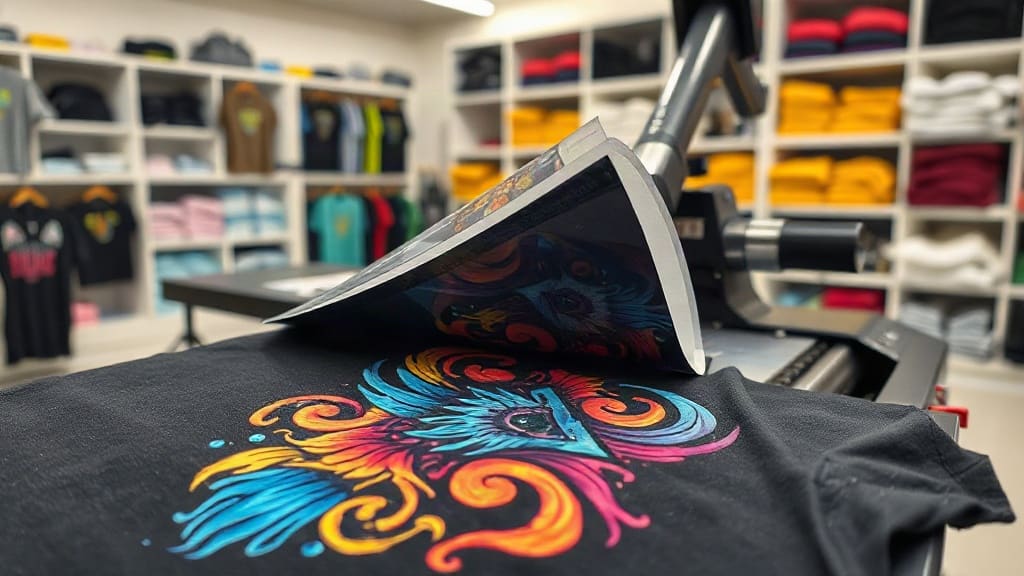
If you're in the custom apparel game, you've likely heard about DTF transfers. They're not just a trend; they're a game-changer. Whether you're a seasoned printer or just starting a small business, DTF (Direct-to-Film) transfers offer incredible flexibility, vibrant colors, and ease of use. In this guide, we'll dive deep into what makes them so popular, how they compare to other methods, and how you can leverage them for your own projects.
What Exactly Are DTF Transfers?
DTF printing involves printing your design onto a special PET film, applying adhesive powder, and then heat-pressing that film onto your garment. Unlike traditional screen printing or heat transfer vinyl, DTF allows for intricate designs, photographic images, and no weeding. The process is simpler than you might think, and the results are durable and stretchable.
How DTF Transfers Work: Step-by-Step
- Print: Your design is printed onto a PET film using a DTF printer with CMYK plus white ink.
- Adhesive: A hot-melt adhesive powder is applied to the wet ink.
- Dry: The film is dried, melting the powder to bind with the ink.
- Press: The film is placed on your garment, and heat press applies pressure and heat (around 300°F) for a short time.
- Peel: After cooling, you peel the film away, leaving a vibrant, soft print.
Top Benefits of Using DTF Transfers
Why are so many businesses switching to DTF transfers? The advantages are clear.
Design Flexibility Like No Other
With DTF, you can print full-color designs without worrying about color separation. Gradients, shadows, and tiny details come out crisp. Unlike screen printing, there's no setup cost for each color, so even one-off custom pieces are affordable.
Works on a Wide Range of Fabrics
While some methods are picky, DTF works on cotton, polyester, blends, nylon, and even leather. You can create matching apparel for your entire team or product line without changing your process.
Durability and Stretchability
DTF prints are known for their stretch and wash resistance. They don't crack or fade easily, making them ideal for activewear, kids' clothes, and everyday wear. The adhesive creates a strong bond that lasts through many washes.
No Weeding, No Screens, No Mess
If you've ever spent hours weeding vinyl, you'll appreciate DTF's simplicity. There's no need to cut out tiny pieces or burn screens. Just print, apply powder, and press. It's a clean, efficient process.
DTF Transfers vs. Screen Printing and Vinyl
How do DTF transfers stack up against the old favorites? Let's compare.
Screen Printing
Screen printing is great for large bulk orders with simple designs. But it requires significant setup, and each color adds cost and time. For small batches or complex designs, DTF is more cost-effective and faster.
Heat Transfer Vinyl (HTV)
HTV is perfect for simple text and shapes, but it's not ideal for photographic images or fine details. Weeding can be a nightmare. DTF eliminates weeding and opens up a world of design possibilities.
Direct-to-Garment (DTG) Printing
DTG prints directly on the shirt, which is great for one-offs. However, it only works on 100% cotton, and the print can feel heavy. DTF can be applied to more fabrics and often feels softer.
How to Use DTF Transfers for Your Business
Whether you're launching a clothing line or offering print-on-demand services, here's how to make the most of DTF transfers.
Invest in Quality Materials
Your results depend on the film, ink, adhesive powder, and transfer paper you use. Cheap supplies lead to peeling or fading. Look for reputable brands that are known for durability.
Master Your Heat Press Techniques
Getting the right temperature, time, and pressure is crucial. Too little heat and the transfer won't adhere; too much can damage the fabric. Always test on a sample first.
Offer Custom Orders
Because DTF is so flexible, you can easily offer custom designs to your customers. No minimum order quantities. This can set you apart from competitors.
Scale with Ease
If you're using a DTF printer, you can print transfers in-house, control quality, and reduce costs. Or, you can order pre-printed transfers from a supplier and simply press them. Both models are viable.
DTF Transfers: Common Questions Answered
Here are answers to some frequent inquiries about DTF transfers.
How many washes do DTF transfers last?
With proper application and care, DTF transfers can withstand 50+ washes without significant fading or cracking. Always wash inside out in cold water and avoid harsh detergents.
Can I use DTF transfers on dark shirts?
Yes, one of the big advantages is that DTF prints include a white ink base, so colors pop on dark fabrics just as well as light ones.
Do I need a special printer for DTF?
Yes, DTF requires a printer that can handle white ink, which is thicker and more viscous. Many use converted Epson printers or dedicated DTF printers.
Are DTF transfers eco-friendly?
DTF uses less water than screen printing and produces less waste. However, the film and powders are plastic-based, so they aren't fully biodegradable. Some companies offer biodegradable films, so look for those if sustainability matters.
Tips for Getting the Best Results
To ensure your DTF transfers look professional and last, follow these pro tips.
- Pre-press your garment for a few seconds to remove moisture and wrinkles.
- Use a Teflon sheet or parchment paper over the transfer during pressing.
- Peel the film hot or cold according to the manufacturer's instructions.
- Store transfers in a cool, dry place before use.
- Keep your printer well-maintained to avoid ink clogs.
Conclusion: Embrace the DTF Revolution
DTF transfers have transformed how we create custom apparel. They offer unmatched versatility, stunning quality, and ease of use. Whether you're a hobbyist or a business owner, incorporating DTF into your workflow can open up new revenue streams and creative possibilities. So why wait? Dive in, experiment, and see why so many are making the switch.