
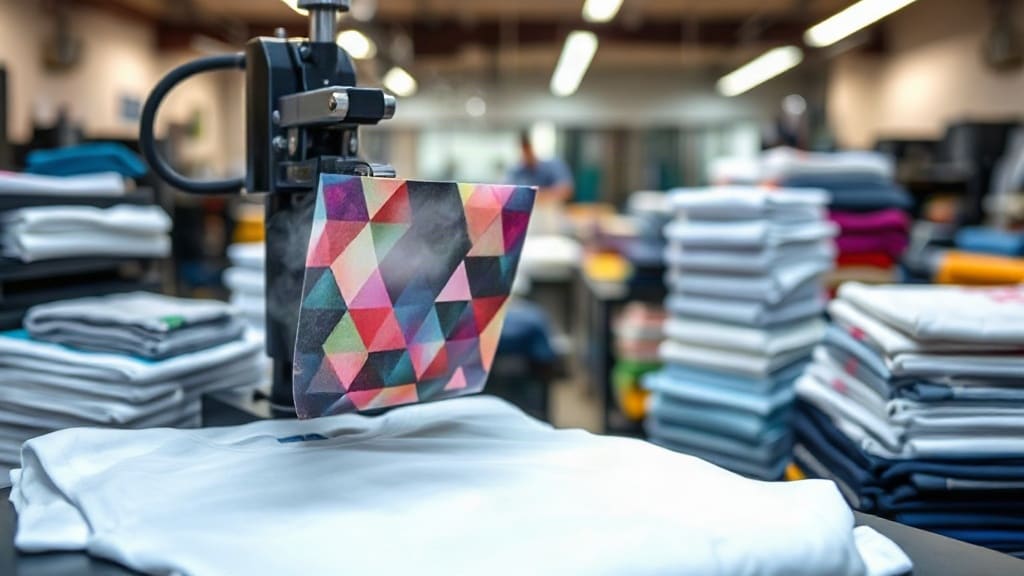
If you've been searching for DTF transfers near your location, you're likely looking for a way to create custom apparel without investing in expensive equipment. Direct-to-film printing has become a favorite among small business owners and hobbyists because it delivers vibrant, durable prints on various fabrics. But finding the right supplier can be overwhelming. This article will walk you through everything you need to know about sourcing DTF transfers near me, from what to look for in a provider to how to get the best value for your money.
Why Choose DTF Transfers?
Direct-to-film (DTF) printing involves printing your design onto a special film, applying adhesive powder, and then heat-pressing it onto the garment. Unlike screen printing, DTF allows for full-color prints with no setup fees, making it ideal for small batches and intricate designs. It also works on cotton, polyester, blends, and even hard surfaces. The durability is impressive, withstanding multiple washes without cracking or fading. That's why many entrepreneurs and print shops rely on DTF transfers to meet customer demands quickly.
How to Find Reliable DTF Transfers Near Me
When you type "DTF transfers near me" into a search engine, you'll get a list of local suppliers. But not all are created equal. Here are key factors to consider when choosing a provider:
1. Quality of Materials
The film, ink, and adhesive powder used directly affect the final result. High-quality DTF transfers have a soft hand feel and stretchability. Ask suppliers about their ink type (water-based or solvent) and whether they use white ink underbase for opacity. A reputable company will be transparent about their materials and may provide samples.
2. Turnaround Time
Time is money in the printing business. If you need transfers for a customer's order, you can't wait weeks. Look for a local provider that offers quick turnaround, ideally 24 to 72 hours. Check reviews to see if they meet deadlines consistently.
3. Pricing Structure
Pricing can vary widely. Some charge per square foot, while others have a minimum order requirement. Compare rates from local suppliers to ensure you're getting a fair deal. Also, consider shipping costs if you're ordering online from a nearby city. Sometimes, paying a little more for a nearby provider is worth it because you can pick up the order and avoid shipping delays.
4. Customer Support
You may have questions about file formats, color matching, or application tips. A good supplier will offer responsive customer service. Test their support by sending a message before placing an order. If they're helpful and knowledgeable, that's a good sign.
5. Reputation and Reviews
Search for reviews on Google, Yelp, or Facebook. Look for comments about print quality, color accuracy, and customer experiences. You can also ask for references from local print shops or apparel brands that use DTF transfers. Word of mouth is powerful in this industry.
Local vs. Online DTF Transfer Services
While "near me" suggests local, you might also consider online services that ship nationwide. Here's a comparison:
- Local providers: You can visit their facility, see samples in person, and build a relationship. They might offer faster turnaround because you can pick up orders. However, they may have higher overhead costs, which could reflect in prices.
- Online providers: Often have lower prices due to scale and no retail space. They can offer a wider range of products and sizes. The downside is shipping time and potential communication barriers. If you need a rush order, online may not be ideal.
For many, a hybrid approach works: use local for urgent orders and online for bulk or non-urgent projects. But if you prefer face-to-face interactions, focusing on DTF transfers near me is a smart strategy.
What to Prepare Before Contacting a DTF Printer
To get an accurate quote and smooth process, have your files ready. Here's a checklist:
- High-resolution artwork: Use PNG files with transparent backgrounds at 300 DPI. If your design has text, convert it to outlines to avoid font issues.
- Color management: Understand that the printer may not match the exact colors on your screen. Ask for a proof or sample before mass production.
- Size specifications: Decide the dimensions of your transfer, typically measured in inches. Consider the placement on the garment, such as chest, back, or sleeve.
- Quantity: Some suppliers offer discounts for bulk orders. Knowing your quantity helps them give you the best price.
- Garment type: While DTF works on many fabrics, the heat press temperature and time may vary. Inform the printer of your substrate so they can advise accordingly.
How Much Do DTF Transfers Cost?
The cost of DTF transfers depends on several factors: design complexity, size, quantity, and the supplier's location. On average, you might pay $1.50 to $4 per transfer for small to medium sizes. Bulk orders reduce the per-unit cost significantly. Some suppliers charge a setup fee for color separation, but DTF generally eliminates that. To estimate, ask for a quote with your specific artwork. Remember that cheaper isn't always better; low quality can ruin your brand and lead to customer complaints.
Application Tips for DTF Transfers
Once you have your transfers, proper application is crucial. Here are some tips:
- Pre-press: Preheat your garment for a few seconds to remove moisture and wrinkles. This ensures a smooth base.
- Temperature and pressure: Use around 300-320°F (150-160°C) with medium to firm pressure. Follow the supplier's recommendations.
- Peel method: Some films require hot peel, others cold. Check the instructions. Generally, hot peel gives a glossy finish, while cold peel offers a matte look.
- Pressing time: Usually 10-20 seconds. Over-pressing can cause adhesive bleed, under-pressing leads to poor adhesion.
- Second press: After peeling, you might want to press again with a parchment paper to ensure the edges are sealed.
- Not checking color profile: Always use CMYK or RGB as recommended. Inconsistent profiles lead to color shifts.
- Ignoring film type: There are different films for light and dark garments. Using the wrong one causes poor opacity on dark colors.
- Skipping test prints: Always order a sample before committing to a large run. It saves money and frustration.
- Forgetting to account for stretch: If your garment is stretchy, the transfer should be able to flex. Test by stretching the printed area after application.
The Environmental Impact of DTF Printing
Sustainability is a growing concern. DTF printing uses less water and produces less waste compared to screen printing. However, the film and adhesive powders are not biodegradable. Some suppliers are adopting eco-friendly alternatives, like water-based inks and recyclable films. If this matters to you, ask your local provider about their practices. Supporting businesses that prioritize the environment can make your products more appealing to eco-conscious customers.
Common Mistakes to Avoid When Ordering DTF Transfers
Even with a reliable supplier, mistakes can happen. Here are pitfalls to avoid:
How to Build a Long-Term Relationship with a DTF Supplier
Finding a trustworthy supplier is like finding a business partner. Once you've identified a local provider that delivers quality, nurture that relationship. Order consistently, pay on time, and communicate clearly. You may unlock discounts or priority service. Many suppliers appreciate loyal customers and will go the extra mile, like offering rush orders or free design support. Also, leave positive reviews and refer them to others. A strong network in the local printing community benefits everyone.
Conclusion
Locating quality DTF transfers near me doesn't have to be a challenge. By focusing on material quality, turnaround, pricing, and customer support, you can find a partner that helps your business thrive. Remember to prepare your files correctly, test samples, and apply the transfers properly. With these insights, you'll be able to create vibrant, durable custom apparel that impresses your customers and keeps them coming back. Start your search today, and you'll soon have a reliable source for all your DTF needs.
Frequently Asked Questions
What is the difference between DTF and sublimation?
DTF printing uses a film and adhesive to transfer designs onto any fabric, including cotton. Sublimation requires polyester or polymer-coated surfaces and uses heat to turn ink into gas, which bonds with the material. DTF offers more versatility and is easier for small orders because it doesn't require a press for every color.
Can I use DTF transfers on dark shirts?
Yes, DTF transfers work well on dark garments because they include a white base layer that ensures opacity. However, you need to specify that your design is for dark fabric so the printer adjusts the white underbase accordingly.
How long do DTF transfers last?
With proper application and care, DTF transfers can last for many washes. They are durable and resistant to cracking. To maximize longevity, wash garments inside out in cold water and avoid using bleach or fabric softeners.
Do I need to own a heat press to use DTF transfers?
Yes, you need a heat press to apply DTF transfers, as a household iron may not provide consistent pressure and temperature. A basic heat press can be purchased for around $150. This investment is worthwhile if you plan to produce custom apparel regularly.
What file format is best for DTF transfers?
The ideal file format is a high-resolution PNG with a transparent background. This ensures your design is crisp and the printer can easily isolate the image. If you have a layered file like Photoshop (PSD) or Illustrator (AI), you can provide that, but PNG is widely accepted.