
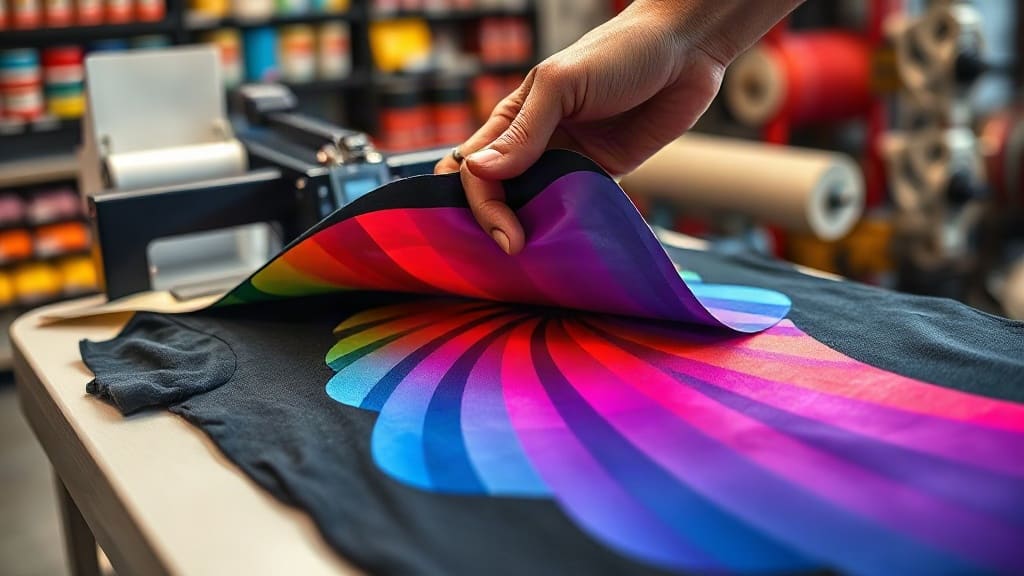
If you have started a custom apparel business or want to create unique garments for personal use, you have probably heard about DTF. DTF, or Direct to Film, is a printing method that has taken the industry by storm. It allows you to print vibrant designs on a special film and then transfer them onto fabric using heat and adhesive powder. Many people search for dtf transfers because they are versatile and work on various materials. But the real challenge is finding a service provider that delivers quality and reliability. If you are typing dtf transfers near me into a search engine, you might be overwhelmed by the options. This guide will help you understand what to look for, what to avoid, and how to choose a partner that will make your designs shine.
Why DTF Transfers Are Popular
DTF printing has become a go-to method for many small businesses and hobbyists. Unlike traditional screen printing, DTF does not require screens or setup fees. It is perfect for short runs and one-off designs. You can print full-color images with gradients and details that would be difficult with other methods. The transfers are easy to apply with a heat press, and they work on cotton, polyester, blends, and even some other materials. Because of this flexibility, dtf transfers have become a staple for online sellers and local print shops.
How to Find a Reliable DTF Transfers Provider Near You
When you search for dtf transfers near me, you will likely see a mix of local print shops, large online companies, and maybe some freelance operators. The key is to distinguish between a professional operation and someone who is just dabbling. Here are some factors to consider.
Experience and Portfolio
Ask to see samples of their previous work. A reputable provider will have a portfolio of transfers they have made. Look for clarity, color accuracy, and edge sharpness. If they cannot show you real examples, that is a red flag. You can also ask for a test transfer on a scrap garment to evaluate the quality yourself.
Quality of Materials
The quality of the film, ink, and adhesive powder matters. A good provider will use high-quality materials that ensure durability. You want a transfer that can withstand multiple washes without cracking or fading. Ask them about the brands they use. If they are vague or hesitant, be cautious.
Turnaround Time
Timeliness is crucial, especially if you have deadlines. Some local shops can offer same-day or next-day service. Others might take several days. Clarify their turnaround time before placing an order. If you are in a rush, you might need to find someone who can accommodate urgent requests.
Minimum Order Quantities
Many print shops have minimum order requirements. If you only need a few transfers, you might have to look for a provider that offers low minimums or even single-piece orders. Some online services have no minimum, but local shops might be more flexible if you ask.
Pricing Structure
Pricing can vary widely. Some providers charge per transfer, while others have a setup fee plus a per-piece cost. Make sure you understand the full cost, including shipping if you are ordering online. Compare prices from a few local options to get a sense of the market rate. But remember, the cheapest option is not always the best. Quality should be your priority.
Common Mistakes to Avoid When Choosing a DTF Transfers Provider
To get the best results, you need to avoid these pitfalls.
Ignoring Print Resolution
The resolution of your design file is critical. If you provide a low-resolution image, the transfer will look blurry. A good provider will advise you on the required DPI (dots per inch), usually at least 300 DPI. They might also offer design assistance if you need help.
Overlooking the Importance of Pretreating
In DTF printing, the film is printed, then adhesive powder is applied, and finally, the transfer is heat-pressed onto the garment. The pretreatment of the garment is not needed for DTF because the adhesive is on the film. This is a benefit over other methods. However, you still need to follow the correct temperature and pressure settings. A professional provider will give you instructions or even provide a test print.
Not Testing the Transfer
Before committing to a large order, test the transfer on a sample garment. Check how it feels, how it stretches, and how it looks after washing. This will save you from disappointment later.
How to Apply DTF Transfers Correctly
Even if you buy the best dtf transfers, if you do not apply them correctly, they will not perform well. Here is a step-by-step guide.
- Preheat your heat press to around 160°C (320°F).
- Place the garment on the press and press for 2-3 seconds to remove wrinkles and moisture.
- Position the transfer with the film side up on the garment.
- Press with medium to firm pressure for 15-20 seconds.
- Peel the film while it is still hot or warm (follow the provider's instructions).
- For extra durability, you can cover the print with a Teflon sheet and press again for a few seconds.
Practice makes perfect. If you are new to this, do a few test runs on old shirts to get the hang of it.
Benefits of Ordering Locally vs. Online
When you search for dtf transfers near me, you might wonder if it is better to order from a local shop or an online service. Here are some pros and cons.
Local Providers
- You can see and feel the product before buying.
- You can ask questions in person and build a relationship.
- Shipping costs and time are eliminated.
- You support the local economy.
Online Providers
- You have access to a wider range of options and prices.
- Many offer bulk discounts.
- They might have more advanced technology.
- But you cannot inspect the physical product beforehand.
Ultimately, the choice depends on your specific needs. If you need a large quantity, online might be more cost-effective. If you need a custom sample or a small order immediately, local is the way to go.
What to Look for in a DTF Transfers Provider: A Checklist
To summarize, here is a checklist you can use when evaluating potential providers.
- Do they have a physical location or a professional-looking website?
- Can they provide samples of their work?
- Do they use high-quality materials from reputable brands?
- What is their turnaround time? Can they meet your deadline?
- Are their prices transparent and reasonable?
- Do they offer any guarantees or refunds for defective products?
- Do they have positive reviews from other customers?
Take your time to research. A little effort upfront can save you from costly mistakes.
How to Ensure Your DTF Transfers Last Long
Once you receive your dtf transfers, you want them to last. Proper application is key, but also follow care instructions. Wash the garment inside out in cold water, and avoid using harsh detergents or bleach. Do not iron directly on the print; if you need to iron, use a cloth barrier. Tumble drying on low heat is fine, but high heat can degrade the adhesive over time. By following these steps, your prints will remain vibrant and intact for many washes.
Final Thoughts
Finding the right provider for dtf transfers can make a huge difference in your projects. Whether you are a business owner or a hobbyist, the quality of your transfers affects the final product. Use the tips in this article to make an informed decision. Remember, the goal is not just to find the closest provider but to find one that offers the best value, reliability, and quality. So next time you search for dtf transfers near me, you will know exactly what to look for. Good luck with your printing projects!
Frequently Asked Questions
Can I use DTF transfers on any fabric?
Yes, DTF transfers are versatile and can be applied to cotton, polyester, blends, and even some synthetic materials. However, for best results, it is recommended to use them on fabrics that can withstand high heat. Always test on a small area first if you are unsure.
How many washes can a DTF transfer withstand?
With proper application and care, a high-quality DTF transfer can last for 50 or more washes. The durability depends on the quality of the materials and the heat press settings. Following the care instructions will extend the life of the print.
Is DTF printing more expensive than screen printing?
For small quantities, DTF is often more cost-effective because there are no screen setup fees. For large orders, screen printing may become cheaper per unit. DTF is ideal for short runs and full-color designs. Compare quotes to see which method fits your budget.
Can I order a single DTF transfer?
Yes, many providers offer no minimum order or a low minimum like one transfer. Online services often have no minimum, while local shops might have a minimum of a few pieces. It depends on the provider, so ask.
Do I need a heat press to apply DTF transfers?
Yes, a heat press is essential. You need consistent temperature and pressure to ensure the transfer adheres properly. A home iron is not recommended because it does not provide even heat and pressure, which can lead to peeling.