
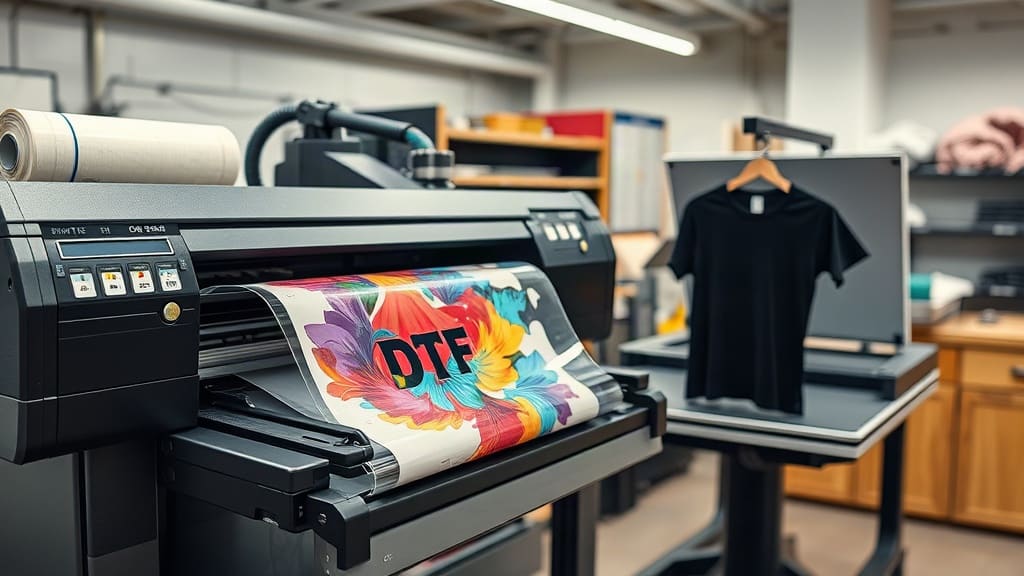
DTF printing has taken the custom apparel world by storm, offering a versatile and cost-effective way to create vibrant, durable transfers. Whether you're a small business owner or a hobbyist, understanding this technology can open up new possibilities. In this guide, we'll break down everything you need to know, from the basics to advanced tips, so you can decide if it's right for you.
What is DTF Printing?
Direct-to-film, commonly known as DTF, is a printing method where a design is printed onto a special PET film using a printer with white ink capability. The printed film is then coated with adhesive powder, cured, and heat-pressed onto a garment. This process allows for detailed, full-color designs that can be applied to a wide range of fabrics, including cotton, polyester, blends, and even harder surfaces like wood or leather.
How DTF Printing Works: Step-by-Step
To truly grasp the magic behind DTF, let's walk through the process:
- Design Creation: You start with a digital design, usually in PNG format with a transparent background. The design is mirrored for transfer.
- Printing: A specialized DTF printer prints the design onto PET film using CMYK plus white ink. The white ink acts as a base, ensuring colors pop on dark garments.
- Applying Adhesive: While the ink is still wet, a hot-melt adhesive powder is applied to the film. This powder is what binds the design to the fabric.
- Curing: The film is passed through a curing tunnel or oven to melt the adhesive powder and dry the ink. This creates a stable transfer sheet.
- Heat Press: The transfer is placed onto the garment and pressed at a specific temperature and pressure for a set time (usually around 160°C for 15-20 seconds).
- Peeling: After pressing, the film is peeled away, leaving the design permanently embedded in the fabric.
Advantages of DTF Printing
Why has DTF become so popular? Here are the key benefits:
- Versatility: Works on almost any fabric, including difficult materials like nylon, spandex, and blends. No need for pre-treatment.
- Vibrant Colors: The white ink base ensures bright, opaque colors even on dark shirts.
- Soft Hand Feel: Unlike some other methods, DTF transfers result in a thin, flexible print that doesn't crack or peel easily.
- Cost-Effective for Small Runs: There's no setup cost like screen printing, making it ideal for small orders and on-demand printing.
- Durability: When done correctly, DTF prints can last for hundreds of washes without fading.
DTF vs. Other Printing Methods
Let's compare DTF with other popular techniques:
DTF vs. Screen Printing
Screen printing is great for large batches of simple designs, but it requires screens and setup, making it expensive for small runs. DTF shines for short runs and multi-color designs without the setup hassle. However, screen printing still has an edge for massive quantities due to lower per-unit cost.
DTF vs. DTG (Direct-to-Garment)
DTG prints directly onto the fabric using inkjet technology. It works well on 100% cotton but struggles on blends. DTF offers more flexibility, as it can be used on any fabric and doesn't require pre-treatment. DTG has a softer feel, but DTF is often more durable and suitable for a wider range of products.
DTF vs. Vinyl (HTV)
Heat transfer vinyl is perfect for simple, single-color designs, but cutting and weeding can be time-consuming. DTF allows for full-color, detailed prints without weeding, saving time and effort. Vinyl is still cheaper for very small runs, but DTF provides a more professional finish.
What You Need to Start DTF Printing
Interested in starting? Here's the essential equipment:
- A DTF printer (often EPSON-based with a conversion kit or a dedicated model)
- PET film
- Hot-melt adhesive powder
- Specialized DTF inks (CMYK + white)
- Heat press or a curing oven
- Software like RIP (Raster Image Processor) to manage printing
You can buy complete kits that include everything, or you can convert an existing printer. For beginners, investing in a ready-to-use system may be easier.
Cost Considerations
The initial investment for a DTF setup can range from $2,000 to $15,000, depending on the printer size and quality. However, the operational costs are relatively low. Consumables like ink and film cost about $0.50 to $1.50 per transfer, depending on size. You can also outsource printing to a service, but having your own setup gives you control and quicker turnaround.
Tips for Perfect DTF Transfers
To get the best results, keep these tips in mind:
- Use High-Quality Files: Your design should be at least 300 DPI to ensure crisp prints.
- Shake the Adhesive Powder: Always shake the powder container before applying to ensure even coverage.
- Test Press Times: Different fabrics require different times and temperatures. Always do a test on a scrap piece first.
- Keep Your Printer Clean: Regularly clean the printhead and run nozzle checks to avoid clogs.
- Store Ink Properly: White ink settles quickly, so keep it in motion or stir it regularly.
Common DTF Issues and How to Solve Them
If you encounter problems, here are some quick fixes:
- Ink Not Adhering: Increase pressure or temperature, or extend pressing time slightly.
- Colors Appear Washed Out: Ensure you're using enough white ink base, and check that your film is compatible.
- Cracking After Wash: Make sure the adhesive powder is fully cured, and avoid over-stretching the fabric.
- Lines in Print: This could be due to clogged nozzles. Run a cleaning cycle and test again.
Frequently Asked Questions
Can I use DTF on dark colored shirts?
Yes, DTF is perfect for dark garments because the white ink base makes colors pop. Ensure you print a sufficient layer of white to prevent see-through.
How long does a DTF transfer last?
With proper application and care, DTF transfers can last over 50 washes without significant fading or cracking. The key is to follow the recommended pressing parameters.
Do I need a special printer for DTF?
Yes, you need a printer that supports white ink and can handle PET film. You can either buy a dedicated DTF printer or convert an Epson printer with a kit.
Can I use DTF on materials other than fabric?
Absolutely! DTF can be applied to hard surfaces like wood, glass, and metal, making it versatile for promotional products.
Is DTF more expensive than DTG for small orders?
For very small orders, DTG might be slightly cheaper if you don't have a DTF setup. But DTF becomes more cost-effective when you factor in its versatility and lower startup cost compared to DTG for a similar quality.