
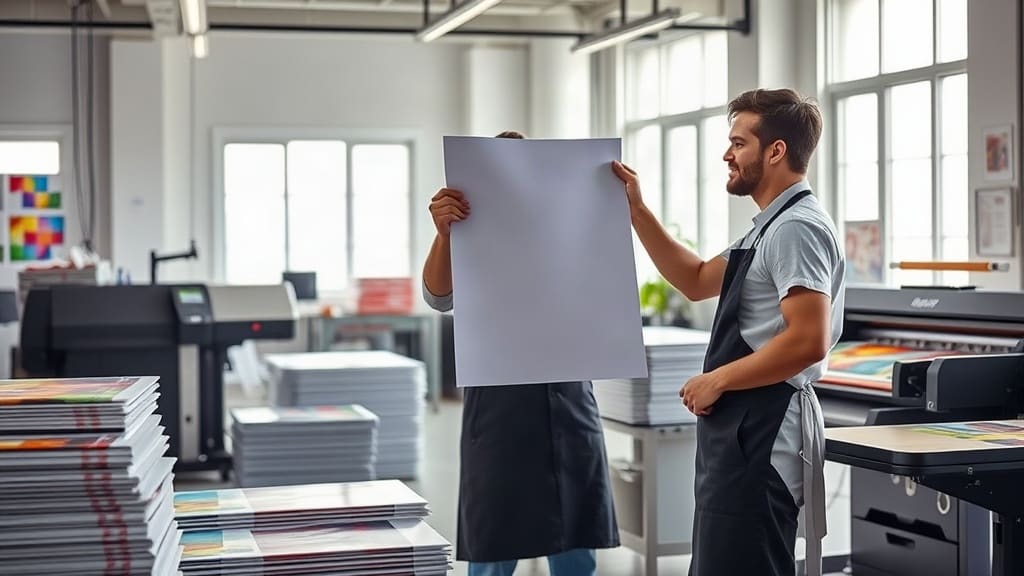
If you run a small apparel business or create custom t-shirts as a side hustle, you’ve probably typed “dtf transfers near me” into Google at least once. The convenience of picking up ready-made transfers locally is tempting, but not all local providers are created equal. Quality, durability, and color vibrancy can vary dramatically from one shop to the next. In this guide, I’ll share what I’ve learned from years of working with local printers, how to vet them, and what to avoid so your finished products look professional and last through many washes.
Why Local DTF Transfers Can Be a Game-Changer
Working with a nearby DTF transfer supplier offers several advantages that online-only services simply can’t match. Speed is the most obvious benefit. When you can walk into a shop and have your transfers ready in a day or two, you can respond to rush orders or last-minute events with confidence. You also avoid shipping delays and potential damage during transit.
Another advantage is the ability to see and feel the product before you commit. You can inspect the transfer’s thickness, the quality of the adhesive, and even test a sample on a garment right in the shop. This hands-on approach helps you avoid unpleasant surprises later.
Finally, building a relationship with a local provider often leads to better pricing, faster turnaround times, and personalized advice. They know your business, your repeat designs, and your quality standards. That kind of partnership is hard to replicate with a distant online supplier.
How to Find DTF Transfer Providers in Your Area
Start with a simple search for “dtf transfers near me” and make note of the businesses that appear. But don’t stop there because online search results can be misleading. Here’s a step-by-step approach I recommend:
- Check local business directories: Websites like Yelp, Yellow Pages, or your local Chamber of Commerce often list printing shops that offer DTF services.
- Visit social media: Platforms like Instagram and Facebook are goldmines for finding small print shops. Search for hashtags like #DTFtransfers, #localprinting, or even your city’s name plus “DTF.”
- Ask other local businesses: If you know other apparel decorators or small clothing brands, ask whom they use for transfers. Word-of-mouth is still one of the most reliable ways to find quality suppliers.
- Attend local craft fairs or trade shows: Many DTF providers exhibit at these events. It’s a chance to see their work up close and collect sample swatches.
Evaluating Quality: What to Look For in a DTF Transfer Provider
Not all DTF transfers are the same. Here are critical factors to evaluate when you visit or contact a local provider.
Transfer Film and Adhesive Quality
The transfer film should have a smooth, slightly matte finish and peel easily from the backing paper. High-quality adhesive powder is evenly distributed and melts cleanly during pressing. If you notice rough edges, excessive powder residue, or a stiff, plasticky feel, that’s a red flag.
Print Resolution and Color Vibrancy
Ask to see printed samples on actual garments. Look for sharp details, especially in small text or intricate designs. Colors should be vivid and accurate to your original artwork. A grainy or washed-out print indicates poor ink or curing.
Stretch and Durability
DTF transfers are known for their stretchability, but only if the ink and adhesive are properly formulated. Stretch a pressed sample to see if the design cracks or lifts. Also, ask about wash-test results. A reputable provider will be happy to show you how their transfers hold up after multiple laundry cycles.
Turnaround Time and Pricing
Compare quotes from at least three local providers. Pricing varies based on size, quantity, and complexity. But beware of extremely low prices because they often mean inferior materials. Also, ask about their current turnaround time. If they can’t meet your deadlines, even the best quality won’t help.
Questions to Ask Before Ordering DTF Transfers
When you talk to a potential supplier, don’t be shy. Ask these specific questions to gauge their expertise and reliability:
- What type of DTF printer and ink do you use? (Epson, Ricoh, or other brands?)
- Can I see a test print on a garment similar to mine?
- What are your minimum order quantities?
- Do you provide a color proof before printing?
- What is your policy for damaged or defective transfers?
- Do you offer discounts for bulk or repeat orders?
The way they answer these questions tells you a lot about their customer service and professionalism. A provider who is transparent and willing to educate you is worth building a relationship with.
Comparing Local vs. Online DTF Transfer Services
While dtf transfers near me is a fantastic option, it’s worth weighing the pros and cons against online services. Local providers offer speed, personal contact, and immediate problem-solving. On the other hand, online services often have lower prices due to economies of scale, and they may offer a wider range of finishes and specialty products.
However, the hidden costs of online ordering, such as shipping fees and longer lead times, can add up. If you run a time-sensitive business, the convenience of a local provider often outweighs the slight price difference. My advice is to maintain a relationship with both a local provider and a trusted online backup. That way, you have flexibility for different projects.
Common Mistakes to Avoid When Choosing a Local DTF Provider
Over the years, I’ve seen many people fall into avoidable traps. Here are the most common ones:
- Choosing solely on price: Cheap transfers may save you money upfront, but they can crack, peel, or fade quickly, forcing you to reprint and lose customer trust.
- Ignoring the garment type: DTF works best on cotton and cotton blends, but it can also bond to polyester, nylon, and other fabrics with proper techniques. Ensure your provider knows how to handle the specific fabric you use.
- Not requesting a sample: Always ask for a sample before placing a large order. It’s the only way to verify quality for yourself.
- Overlooking customer service: If the shop is unresponsive or dismissive before you’ve spent money, imagine how they’ll treat you if there’s an issue with your order.
Take your time to vet each candidate. A little extra effort upfront saves you from headaches later.
Building a Long-Term Relationship with Your DTF Supplier
Once you’ve found a local DTF transfer provider that meets your standards, treat them as a partner. Communicate openly about your upcoming projects, ask for their input on design optimization for DTF, and provide feedback on their products. Many suppliers appreciate loyal customers and may offer perks like priority scheduling or discounted pricing on large orders.
Furthermore, consider ordering in bulk to reduce per-unit costs. If you have consistent designs, you can maintain a small inventory of transfers to handle unexpected orders. This strategy gives you the best of both worlds: local speed and cost efficiency.
Final Thoughts on Finding DTF Transfers Near You
Searching for “dtf transfers near me” is the first step, but the real work begins when you compare providers and test their products. Remember to focus on quality, not just price. A reliable local supplier can become an invaluable asset to your business, helping you deliver stunning custom apparel that keeps your customers coming back.
Take the time to visit shops, ask questions, and evaluate samples. The few hours you spend on research will pay off in the long run with consistent, high-quality transfers and a supplier you can trust. So go ahead, start your search today, and give your next project the professional finish it deserves.
Frequently Asked Questions
How long do DTF transfers last?
With proper application and care, DTF transfers can last for over 50 washes without cracking or fading. However, durability depends on the quality of the transfer, the pressing temperature and pressure, and the washing instructions. Always follow the supplier’s recommendations and test your own garments to ensure longevity.
What is the minimum order quantity for local DTF transfers?
Minimum order quantities vary by provider. Some local shops accept single transfers, while others require a minimum of 10 or 20 per design. It’s best to ask directly. If you’re starting with a small project, look for providers that offer low minimums or even sample packs.
Can I use DTF transfers on dark-colored garments?
Yes, DTF transfers are excellent for dark fabrics because they include a white underbase that ensures colors pop. However, make sure your provider prints a sufficient white layer to prevent the garment color from showing through. Test on a dark shirt to verify opacity.
How should I store unused DTF transfers?
Store your DTF transfers in a cool, dry place away from direct sunlight. Keep them flat in the original packaging or in a clear plastic bag. Avoid folding or creasing the film, as that can damage the adhesive. Proper storage ensures they remain usable for months.
Do I need a heat press to apply DTF transfers, or can I use an iron?
While a heat press is recommended for consistent results, a regular household iron can work for small designs if you apply firm, even pressure. However, irons often have uneven heat distribution, which can lead to poor adhesion or scorch marks. If you’re serious about quality, invest in a heat press or find a local maker space that allows you to rent one.